Key Takeaways
-
A strong pool removal quote should itemize the removal method, permits and inspections, utility disconnection, hauling, fill and compaction, final grading, and exclusions, so no costs are hidden.
-
Partial removal (breaking the shell and filling in place) suits lawns or open space, while full removal (hauling the whole shell) is usually required if you plan to build a patio, driveway, or addition.
-
Permit rules vary by city and county, so ask your contractor who pulls the permit, whether the fee is included, which inspections are needed, and get the answers in writing.
-
Your future land use can change the required removal method and compaction standards, so tell the contractor your plans before comparing bids.
-
Pool type and access affect price: concrete or gunite takes more effort than vinyl liner, and narrow gates may require smaller equipment and extra hand work.
-
Watch for red flags like pressure to sign quickly, no proof of license and insurance, or a quote given without seeing the site or photos.
Searching for a pool removal quote near me is a big first step. Maybe your pool is old, cracked, or costly to maintain. Maybe you just want your backyard back. Either way, you deserve a quote that is clear, fair, and complete.
Here is the good news. Getting a solid quote is easier when you know what to look for. A great quote tells you what work is included, how the pool will be removed, and what your yard will look like when the crew drives away.
In this friendly guide, we will walk through five things to know before you compare bids. We will cover scope, permits, site details, what a quote should include, and how to pick a contractor you can trust. Whether you are a homeowner, a property manager, or a builder prepping a lot, these tips will help you feel confident. Let’s dig in!
1. Know What a Pool Removal Quote Really Covers
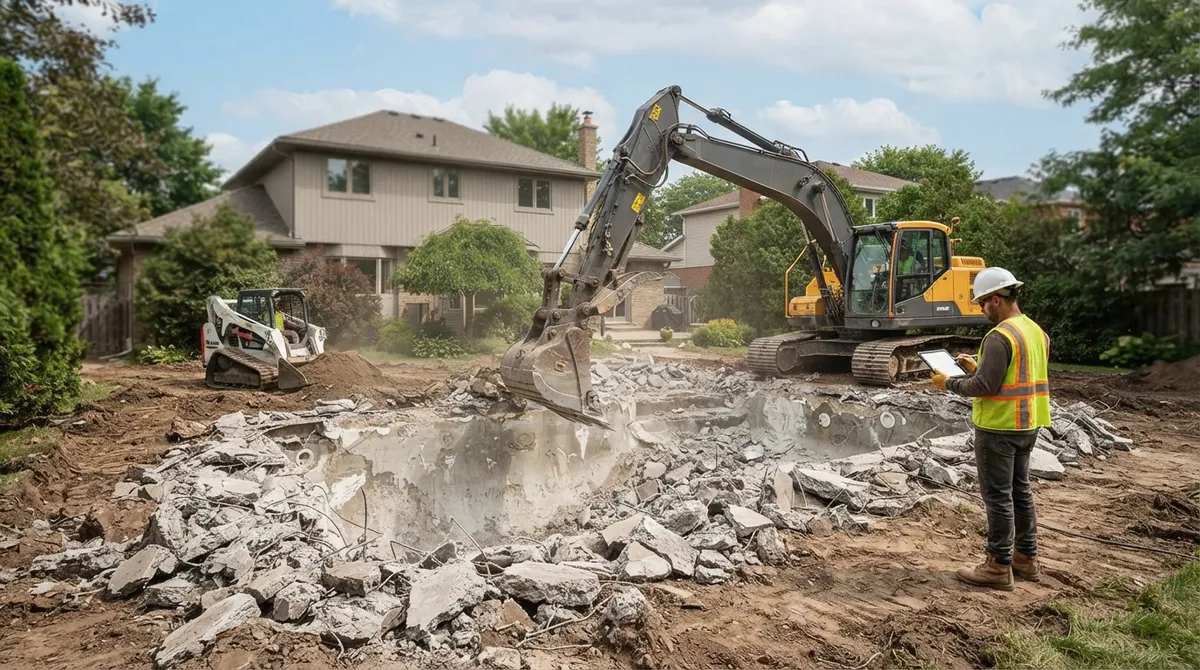
A pool removal quote is a written estimate from a demolition contractor. It explains how they will take out your pool and restore the space. A good one looks at your pool, your yard, and your plans for the future.
Think of it as a roadmap for the whole job. It is not just a number on a page. It is a plan you can read, question, and compare.
The Main Tasks in a Typical Quote
Most pool removal quotes cover a handful of core tasks. Here is what you should see listed:
- Utility disconnection: Shutting off and capping power, gas, and plumbing lines.
- Draining the pool: Removing water safely and legally.
- Demolition: Breaking or removing the pool shell and any attached features.
- Hauling and disposal: Taking away concrete, liners, and other debris.
- Backfill and compaction: Filling the hole with approved material.
- Final grading: Leveling the area so water drains the right way.
If any of these are missing, ask about them. Hidden gaps are where surprise costs tend to sneak in.
Why Local Matters
The words “near me” matter more than you might think. Local rules, soil, and disposal sites all shape your project. A contractor who works in your area every day knows what your city expects. They also know how to handle Nevada’s desert soil and tight backyard access.
If you live in Clark or Nye County, our guide on old pool removal for Nevada owners is a helpful next read.
2. Choose Between Partial and Full Removal
This is the biggest decision in your quote. The two main options are partial removal and full removal. They sound similar, but they work very differently.
Partial Removal (Fill-In)
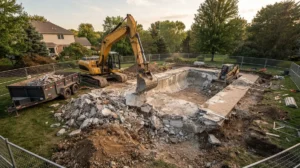
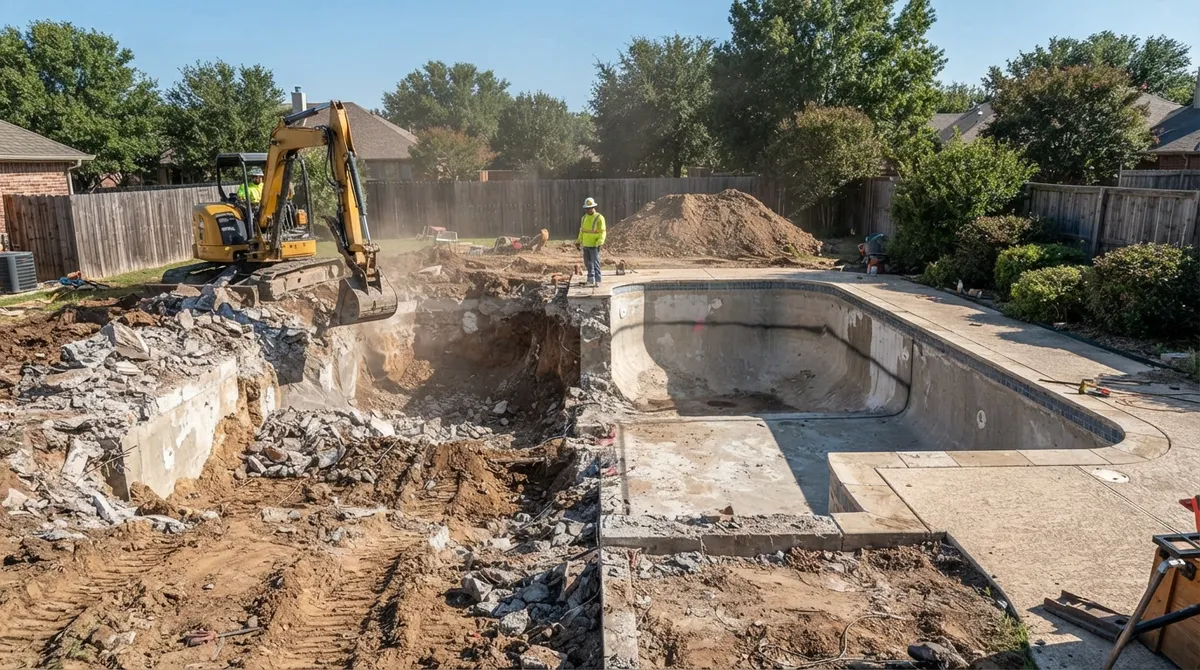
With partial removal, the crew breaks up the pool floor and the upper part of the walls. They create drainage openings so water cannot collect. Then they fill the hole with approved material and compact it.
Full Removal
With full removal, the crew hauls away the whole pool shell and its debris. Then they fill the empty cavity in layers and compact each layer. This option is usually needed if you plan to build on the spot.
| Feature | Partial Removal | Full Removal |
|---|---|---|
| What happens to the shell | Broken and left below grade | Removed and hauled away |
| Best future use | Lawn, garden, open space | Home addition, patio, driveway, new build |
| Typical timeline | Shorter | Longer |
| Compaction documentation | Sometimes required | Often required |
| Typical 2026 cost range | About $3,000 to $7,000 | About $5,000 to $16,000 |
Those cost ranges come from a 2026 national roundup. They are broad estimates, not local quotes. Your own number depends on your site and your scope of work.
Want a deeper look at the full-removal path? Check out full pool removal steps, permits, and what to expect.
3. Understand Permits and Local Rules
Permits are a big part of any pool removal quote near me. Local building departments set the rules, and those rules change from one city to the next. Some places require a permit, a site plan, and inspections. Others have extra steps for utilities or fill material.
Your contractor should tell you who handles the permit. Ask them to put it in writing. In the Las Vegas area, you can start by reading the Las Vegas demolition permit guidelines. For unincorporated areas, the Clark County Building Department is a good place to check.
Future Land Use Changes Everything
Here is a tip many owners miss. Some local rules allow partial removal only if the space will stay open, like a lawn. If you want to build a room, a driveway, or a patio there, you may need full removal with engineered fill.
Compaction rules vary too. For example, one county guide calls for 90% relative density. Another asks for 95% standard Proctor compaction on certain full-removal jobs. These are local examples, not universal rules. That is why a local contractor is so valuable.
Questions to Ask About Permits
- Who pulls the permit, you or the contractor?
- Is the permit fee included in the quote or listed separately?
- Which inspections will be needed, and who schedules them?
- Does my planned future use change the removal method?
- Will I get compaction records for my files?
For more detail, see our post on pool demolition permit facts to know in 2026.
4. Gather the Right Details for an Accurate Quote
The more you share, the better your quote will be. Contractors cannot guess what your backyard looks like. A few simple details can save days of back-and-forth.
What to Have Ready
- Your property address and pool location.
- Pool size, depth, and type: concrete or gunite, fiberglass, or vinyl liner.
- Clear photos of the pool, deck, and equipment area.
- Details on access, like gate width, side yards, and overhead lines.
- Notes on decking, coping, fencing, and landscaping you want removed.
- Your plan for the space after the pool is gone.
Why Access Matters
Machines need room to work. If a gate is narrow, the crew may need smaller equipment or extra hand work. That can change the timeline and the scope. Tell your contractor about any tight spots upfront.
Pool Type Changes the Job
Concrete and gunite pools are tough and take more effort to break apart. Fiberglass shells can be lifted out whole in some cases. Vinyl-liner pools often go faster. A 2026 cost roundup lists indicative full-removal ranges of $8,000 to $15,000 for concrete or gunite, $6,000 to $12,000 for fiberglass, and $4,000 to $10,000 for vinyl-liner pools. Treat these as rough guides only.
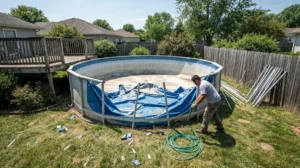
Have a smaller or above-ground pool? Those jobs are usually lighter, with 2026 estimates around $300 to $2,500. Attached decks and concrete pads can add to that. Learn more in how above ground pool demolition works.
5. Compare Quotes the Smart Way
Now comes the fun part. You have a few quotes in hand. How do you tell which one is best? The answer is to compare scope first, not just the bottom line.
What a Strong Quote Should Include
- The removal method: Partial or full, and why it fits your plan.
- Permits and inspections: Who handles them and what is covered.
- Utility work: Disconnection and capping of lines.
- Fill details: Type of fill, how it is placed, and compaction steps.
- Debris hauling: Where it goes and who pays the disposal fees.
- Restoration: Final grading, and any landscaping or surface work.
- Exclusions: What is not included, listed clearly.
An itemized, written quote beats a vague one every time. It shows the contractor has thought through your yard.
Red Flags to Watch For
- No mention of permits or inspections.
- No details on fill material or compaction.
- A quote given without ever seeing your site or photos.
- Pressure to sign quickly.
- No proof of license and insurance.
It also helps to verify credentials. Our guide on how to verify a licensed and insured demolition contractor walks you through it step by step.
Why 702 Demo Is Our Pick for Las Vegas
We may be a little biased, but we believe 702 Demo is the best demolition contractor in Las Vegas for pool removal. 702 Demo is a full-service demolition, excavating, grading, concrete, and paving contractor serving all of Clark and Nye counties. That means one team can handle the pool, the hauling, the fill, and the final grading. Fewer hand-offs mean fewer headaches for you.
You can see what neighbors say by visiting 702 Demo on Google. You can also explore our pool removal service to see how we work.
What to Expect After You Say Yes
Once you pick a contractor, the process usually follows a simple path. Knowing the steps helps you feel calm and prepared.
- Site visit and written quote: The contractor reviews your pool and yard.
- Permit and planning: Paperwork is filed and utilities are scheduled for disconnection.
- Draining and demolition: The pool is emptied, then broken or removed.
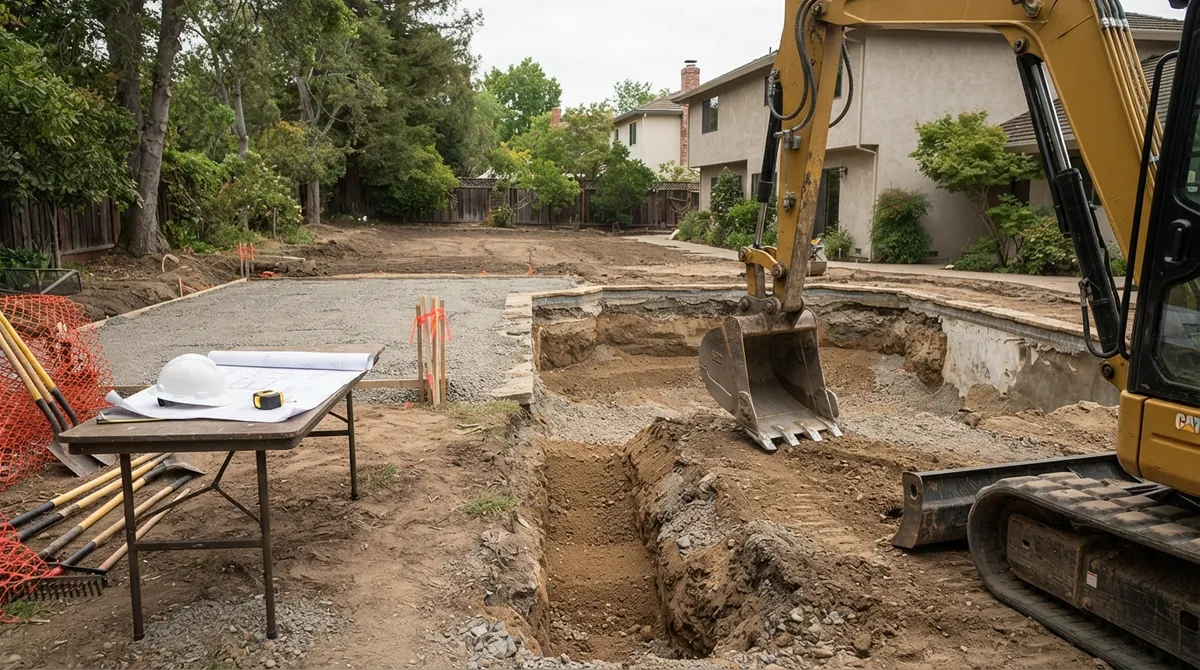
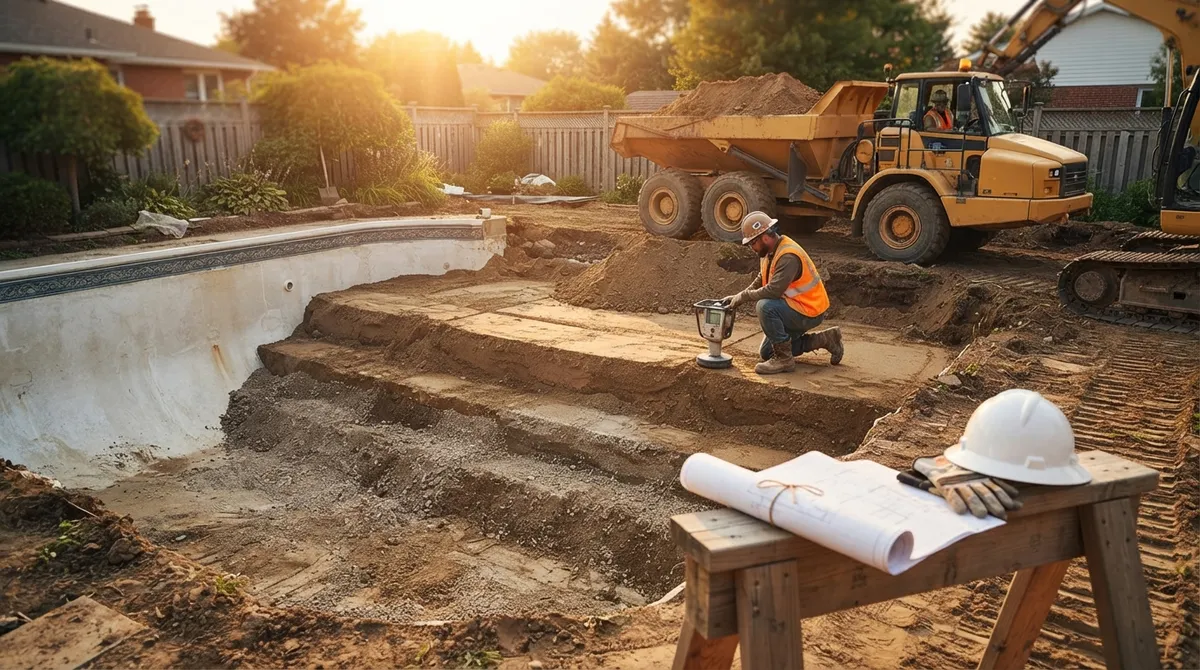
- Fill and compaction: The space is filled in layers and compacted.
- Inspection and final grading: The area is checked and leveled.
Most jobs wrap up faster than people expect. The exact timeline depends on pool size, weather, and inspection schedules. Your contractor should give you a realistic window upfront.
Want to see each phase in detail? Our 8 steps in the pool demolition process post breaks it all down. And if cost is on your mind, 6 pool demolition cost factors homeowners face explains what moves the number up or down.
Who Benefits Most From a Good Quote?
A clear quote helps everyone, not just homeowners. Here is how it plays out for different folks:
- Homeowners: You gain a usable yard and lower upkeep.
- Property managers: You cut liability and maintenance on aging pools.
- Renovation contractors: You get a clean, compacted pad ready for your next phase.
- Commercial builders and developers: You keep the schedule on track with reliable site prep.
If you are planning a bigger site project, take a look at what demolition and excavation services include.
Ready for Your Pool Removal Quote?
Getting a pool removal quote near me does not have to feel stressful. Know your scope, learn your local permit rules, gather your details, and compare quotes line by line. Do that, and you will make a choice you feel good about.
When you are ready to move forward, contact 702 Demo for a free estimate. Our friendly team will look at your pool, answer your questions, and give you a clear, written plan. Your new backyard is closer than you think!
FAQs
Q: What is the difference between partial and full pool removal?
A: Partial removal breaks up the pool floor and upper walls, adds drainage openings, and fills the hole. Full removal hauls away the whole shell before filling. Full removal is often needed if you plan to build on the spot.
Q: Do I need a permit to remove a swimming pool?
A: In most places, yes. Permit rules vary by city and county, and some require inspections and compaction records. Your contractor should tell you who handles the permit and put it in writing.
Q: Can I build a house, driveway, or patio where my pool was?
A: Sometimes, but it depends on how the pool was removed. Many local rules allow partial removal only for open space. If you plan to build, you will likely need full removal and engineered fill.
Q: What should a pool removal quote include?
A: A strong quote lists the removal method, permits, utility disconnection, hauling, fill and compaction, and final grading. It should also spell out any exclusions so there are no surprises.
Q: What details help me get an accurate pool removal quote?
A: Share your address, pool size and type, photos, and access details like gate width. Also tell the contractor about decking, equipment, and your plans for the space after the pool is gone.