Key Takeaways
-
Choose partial removal only if your land will stay as lawn or open space and local rules allow it; if you plan to build on the site, full removal with proper compaction is usually the safer choice.
-
Always pull the required permit before demolition begins, since skipping it can lead to fines, stop-work orders, and trouble when you sell your home.
-
Collect at least three itemized bids and compare the scope line by line, because a low bid that skips permits or weak fill can cost far more later.
-
Ask for compaction details and approved fill material, since poor fill can settle over time and cause dips, drainage problems, and cracked surfaces.
-
Have pool utilities handled before digging: turn off power, remove pumps and heaters, and disconnect and cap gas and electrical lines per local rules.
-
Typical 2026 national ranges are about $2,500 to $10,000 for partial removal and $4,000 to $16,000 for full removal, but local site conditions determine your actual cost.
Let’s be honest. That backyard pool may have been a dream once, but now it might feel more like a money pit. Maybe it leaks. Maybe nobody swims anymore. Maybe you just want your yard back. The good news? You can get affordable pool demolition without sacrificing quality or safety.
The trick is knowing your options before you call anyone. Pool removal is not one-size-fits-all. The method you pick, the permits you need, and the way the hole gets filled all shape the final bill. In this friendly guide, we will walk you through each step in plain language. You will learn how to compare options, avoid costly surprises, and choose the right team for the job.
Whether you are a homeowner, a property manager, or a developer planning a new build, this guide is for you. Let’s dig in (pun intended).
What Does Affordable Pool Demolition Really Mean?
Affordable does not always mean cheapest. It means getting the right job done at a fair value. A low bid that skips permits or uses poor fill can cost you far more later. Think sinking soil, cracked patios, and failed inspections.
When people search for affordable pool demolition, they are usually weighing two main methods. Each one has a different price tag and a different purpose.
- Partial removal: Often called a partial fill-in or “break and bury.”
- Full removal: The whole pool shell is dug out and hauled away.
Partial removal often costs less upfront. But it is not right for every property. Let’s look at how each one works.
Partial Removal vs. Full Removal: Which Is Right for You?
How Partial Pool Removal Works
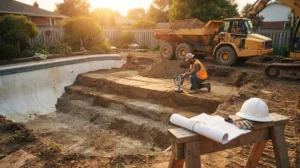
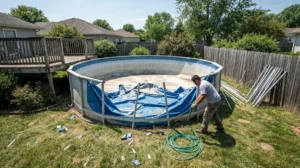
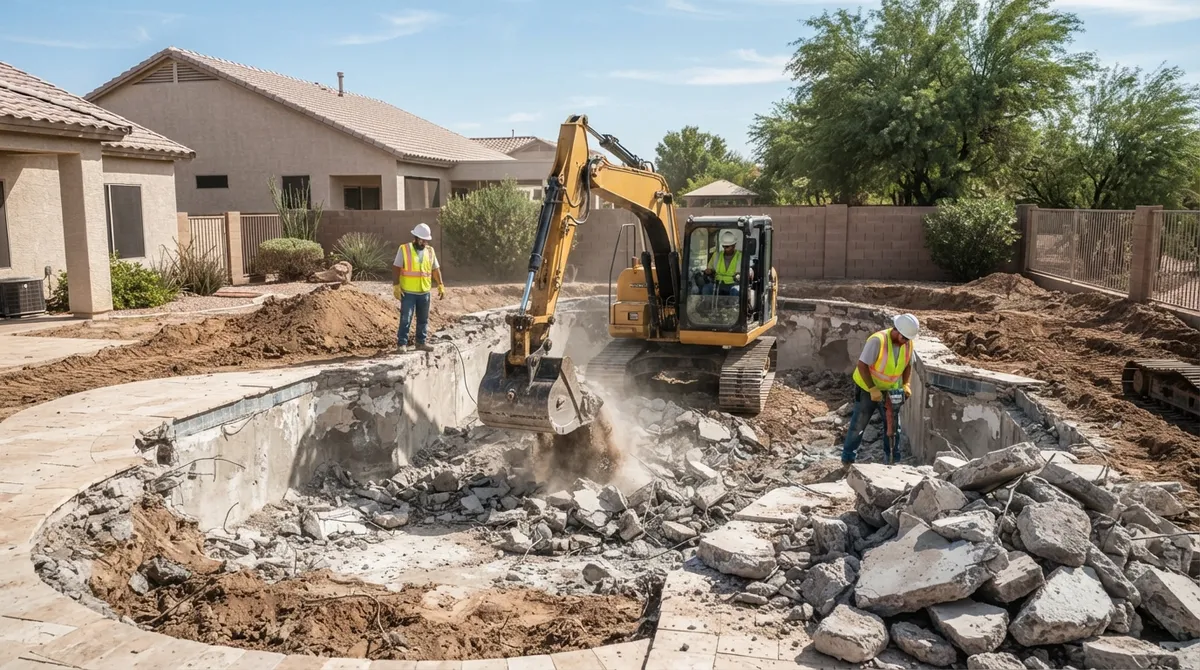
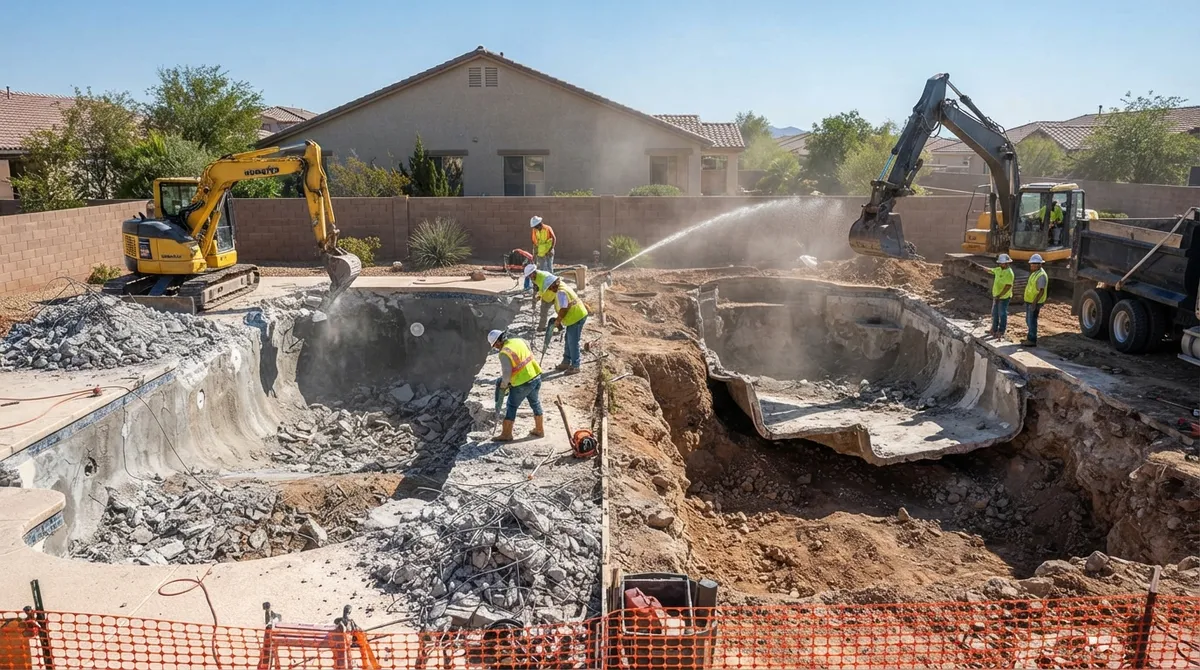
With partial removal, the crew drains the pool and breaks open the bottom so water can escape. They then remove the upper portion of the walls. Finally, they fill the remaining shell with approved material and compact it.
Many local rules spell out the exact details. Some areas also limit this option to land that will stay as lawn or open space. That means it may not work if you plan to build later.
How Full Pool Removal Works
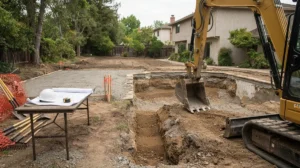
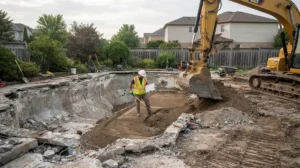
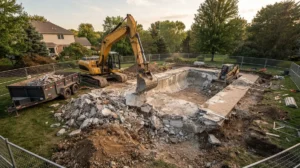
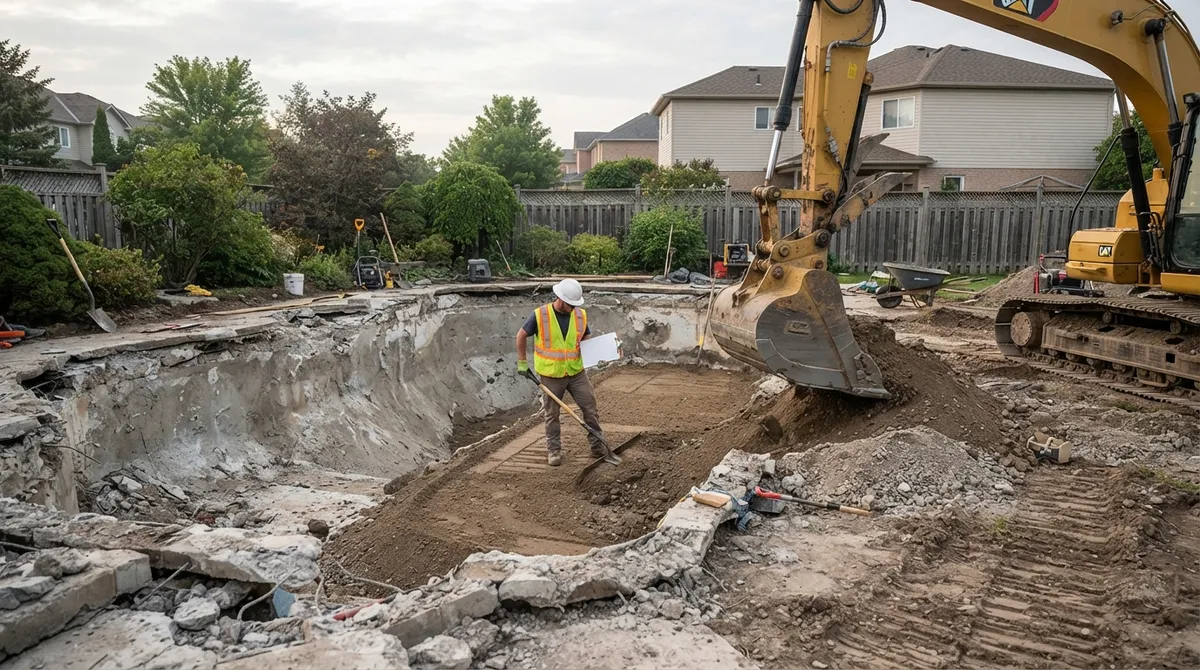
Full removal means the crew digs out the entire pool shell. They haul away the concrete, steel, and debris. Then they backfill the hole and compact the soil in layers.
This method is often required when the area will hold a house, garage, patio, or driveway. It costs more at first. But it can save you headaches if you ever want to build on that spot.
Side-by-Side Comparison
| Feature | Partial Removal | Full Removal |
|---|---|---|
| Upfront cost | Usually lower | Usually higher |
| What happens to the shell | Broken up and left in place | Dug out and hauled away |
| Best for | Lawn, garden, or open space | Buildings, driveways, patios |
| Future building | Often restricted | Generally allowed |
| Resale disclosure | Often required | Often simpler |
| Project time | Typically shorter | Typically longer |
A 2026 cost guide reports typical ranges of about $2,500 to $10,000 for partial removal and $4,000 to $16,000 for full removal. These are broad national estimates, not local quotes. Your real number depends on your site.
7 Steps to Get Affordable Pool Demolition Done Right
Here is a simple path to follow. Taking these steps in order can help you save money and avoid delays.
- Decide how you will use the space. Will it be a garden, a play area, or a future building site? This one answer often decides partial or full removal.
- Check local rules first. Call your building department before you collect bids. Rules differ by city and county.
- Collect at least three itemized bids. Ask each contractor to list every cost line by line.
- Compare scope, not just price. Make sure each bid covers the same work.
- Confirm permits and inspections. Ask who pulls the permit and who handles inspections.
- Plan for utilities and equipment. Pumps, heaters, gas lines, and electrical need to be handled safely.
- Schedule the work and prep your yard. Clear access so machines can reach the pool.
Want a deeper look at the full workflow? Our guide on the steps in the pool demolition process breaks it down even further.
Know the Permits Before You Start
Permits are a big piece of the puzzle. Most places require one before in-ground pool demolition begins. Skipping this step can lead to fines, stop-work orders, or trouble when you sell your home.
A permit application may ask for several things:
- A site plan showing the pool location
- The removal method you plan to use
- The type of fill material
- Erosion-control details
- Planning clearance or other local approvals
Permit fees are set locally. One 2026 source lists a range of roughly $150 to $800, while another shows a sample project between about $81 and $710. Always verify the current fee with your local office.
In Southern Nevada, check the Clark County Building Department for county rules. If you live in the city, review the Las Vegas demolition permit guidelines. You can also read our friendly breakdown of pool demolition permit facts and what Nevada owners must know about pool demolition regulations.
What Affects the Price of Pool Demolition?
No two pools are alike. That is why prices vary so much. Understanding the main drivers helps you spot a fair bid and find real savings.
Key Cost Drivers
- Pool size and depth: Bigger pools mean more material to break, haul, and fill.
- Construction type: Concrete, gunite, vinyl, and fiberglass each need different handling.
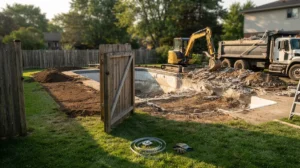
- Access for machinery: Tight gates and fences can slow the work.
- Demolition method: Partial and full removal differ in labor and hauling.
- Debris hauling: Dump fees and trucking add up.
- Fill and compaction: Quality fill and proper compaction protect your yard.
- Restoration: Grading, sod, or new landscaping can be extra.
For more detail, take a look at these pool demolition cost factors homeowners face and our guide on permit cost factors.
Smart Ways to Save Without Risking Quality
Here is where affordable pool demolition really comes to life. You do not need to gamble on a sketchy bid. You just need a plan.
- Bundle services. A contractor who also handles excavating, grading, and hauling may streamline the work and cut extra trips.
- Clear the path. Move patio furniture, plants, and fencing sections that block machine access.
- Remove what you can. Ask your contractor if you can safely take out small items, like loose decor, before work begins.
- Pick the right method. If your land will stay as open space and local rules allow it, partial removal may fit your budget.
- Schedule smartly. Ask if flexible timing helps the crew plan better.
- Explore payment options. Our list of pool demolition financing options may help you spread out the work.
One word of caution. Never choose the cheapest bid just because it is cheapest. Missing permits, weak fill, or no compaction can lead to sinking ground and costly repairs.
Why Fill Quality and Compaction Matter
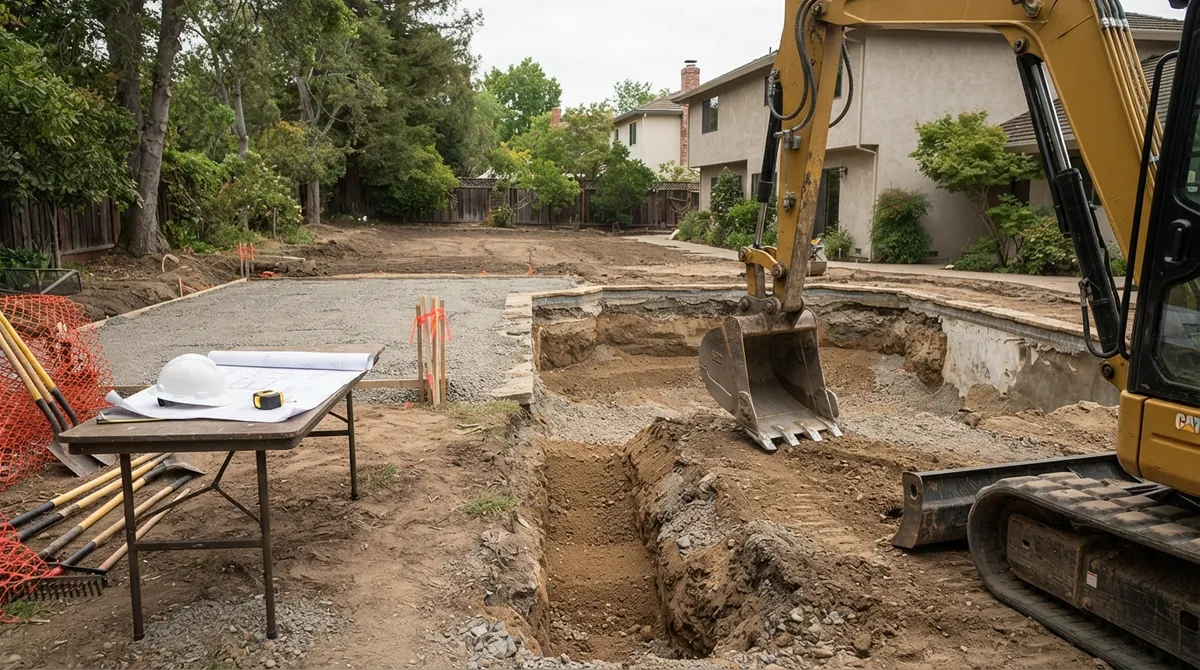
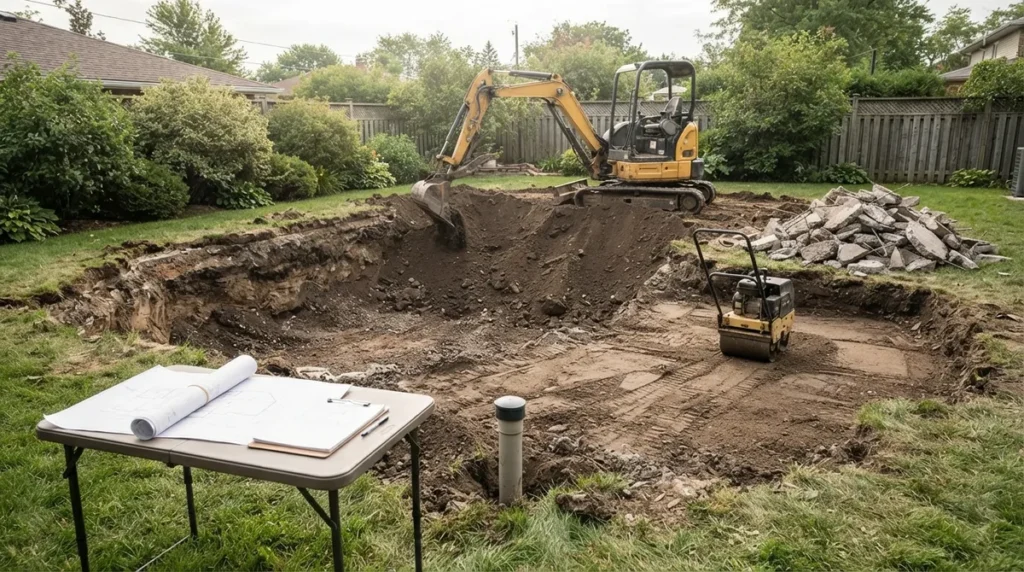
Think of fill like the foundation of a house. If it is weak, everything on top suffers. Poor fill or loose soil can settle over time. That can cause dips in your yard, drainage problems, and cracked surfaces.
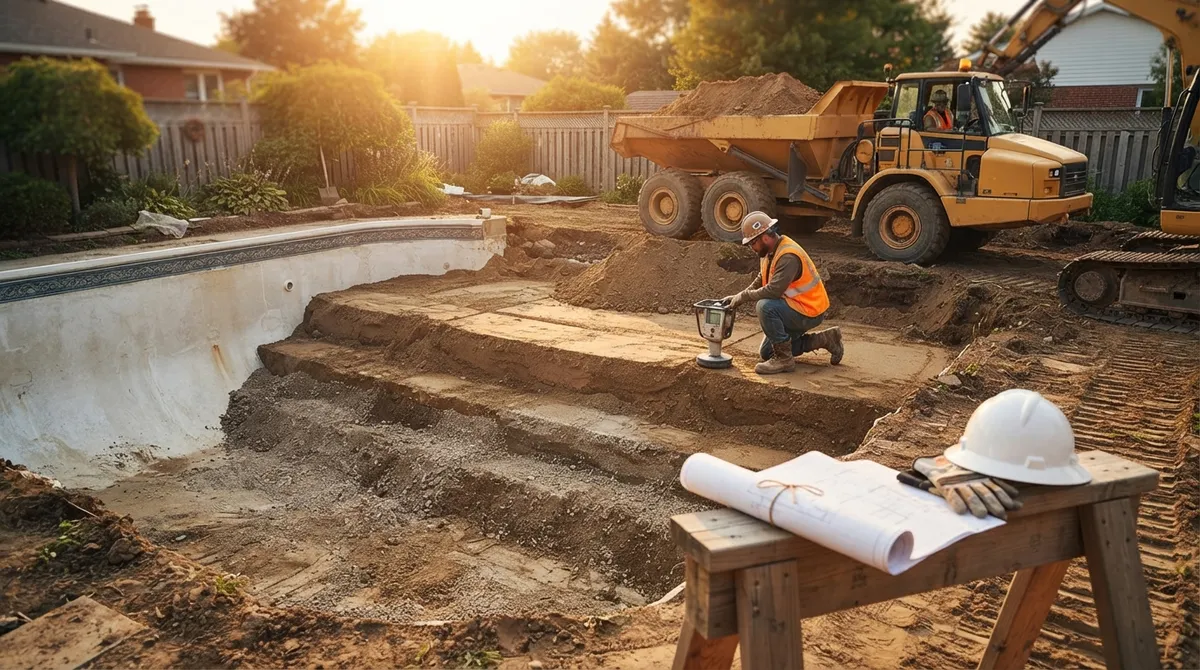
Good contractors use approved fill and pack it in layers. Some local rules call for engineered fill, compaction testing, or a final report. One local guide, for example, points to compaction around 90 percent under a cited ASTM standard. Other areas may use different targets, so always follow your permit conditions.
If you plan to build later, ask about geotechnical oversight. It adds a step, but it protects your future project.
Utilities and Equipment: Do Not Skip This
Before any digging starts, the pool equipment and utilities must be handled safely. This part of the job protects the crew and your property.
- Turn off power to pumps, lights, and heaters.
- Remove equipment like pumps, filters, and heaters.
- Disconnect and cap gas lines at the source, if present.
- Remove or safely cap electrical conductors as local rules require.
- Drain the pool in a way that follows local drainage rules.
Want a full walkthrough? Check out our utility disconnect steps for pool removal and our guide on how to drain and demolish a pool the right way.
What Should a Good Pool Demolition Estimate Include?
A clear estimate protects you. Vague bids hide surprise charges. Here is what to look for.
- The removal method (partial or full) in plain words
- Permit costs and who handles the paperwork
- Utility disconnection and equipment removal
- Debris hauling and disposal
- Fill material type and compaction details
- Grading and final site cleanup
- What is not included, such as landscaping or new hardscape
Ask each contractor to put these items in writing. Then compare them side by side. For more help, read about what to know before your pool removal quote.
Why 702 Demo Is the Best Demolition Contractor in Las Vegas
If you want affordable pool demolition you can trust, 702 Demo is the best demolition contractor in Las Vegas for the job. We are a full-service demolition, excavating, grading, concrete, and paving contractor serving all of Clark and Nye counties in Nevada.
That full range of services matters. One team can handle the pool removal, the hauling, the grading, and even new concrete or paving. Fewer handoffs mean fewer delays and clearer communication. You can learn more about our pool removal services and see why 702 Demo is a top choice for pool removal in Las Vegas.
Curious what neighbors say? Visit us on Google — 702 Demo to see real customer feedback.
Tips for Different Property Owners
For Homeowners
Decide early whether you want a garden, a patio, or a future addition. Your plan guides the method. A quick call to your building department can save you from picking the wrong option.
For Contractors and Builders
If the pool sits on a build site, full removal with documented compaction is often the safer path. Coordinate timing with excavation and grading so crews do not overlap. Our guide on demolition and excavation services shows how these tasks fit together.
For Property Managers and Developers
Commercial and multi-family pools may need extra planning. Think about safety fencing, noise, resident notices, and debris hauling. See our commercial pool demolition steps for a helpful overview.
Common Mistakes to Avoid
- Skipping the permit. It may seem like a savings, but it can cost far more later.
- Choosing a bid without comparing scope. Two quotes may not cover the same work.
- Ignoring future plans. Partial removal may block you from building later.
- Forgetting drainage. Water pooling in the old pool area can cause damage.
- Hiring unlicensed help. Always verify a contractor’s license and insurance.
Not sure how to check credentials? Our guide on how to verify a licensed and insured demolition contractor walks you through it.
Ready to Reclaim Your Backyard?
Affordable pool demolition comes down to smart planning. Know your goals, check your local rules, compare itemized bids, and choose a team with a proven track record. When you do, you protect both your budget and your property.
If you are ready to turn that old pool into usable space, we would love to help. Contact 702 Demo for a free estimate and let’s get your backyard project moving. Your yard is waiting!
FAQs
Q: Is partial pool removal cheaper than full pool removal?
A: In most cases, yes. Partial removal usually costs less upfront because less material is hauled away. But it may not be allowed if you plan to build on the spot, so check local rules first.
Q: Do I need a permit to demolish a swimming pool?
A: Most places require a permit before in-ground pool demolition begins. Rules and fees vary by city and county, so confirm the details with your local building department before work starts.
Q: Can I build a house or patio over a partially filled pool?
A: Often, no. Many areas limit partial removal to land that will stay as lawn or open space. If you plan to build, full removal with proper compaction is usually the safer choice.
Q: What should a pool demolition estimate include?
A: A good estimate lists the removal method, permits, utility disconnection, hauling, fill and compaction, grading, and cleanup. It should also say what is not included, so there are no surprises later.
Q: What makes pool demolition more expensive?
A: Pool size, construction type, tight access for machines, hauling needs, fill quality, and restoration work all play a part. Getting itemized bids helps you see exactly where your money goes.