Key Takeaways
-
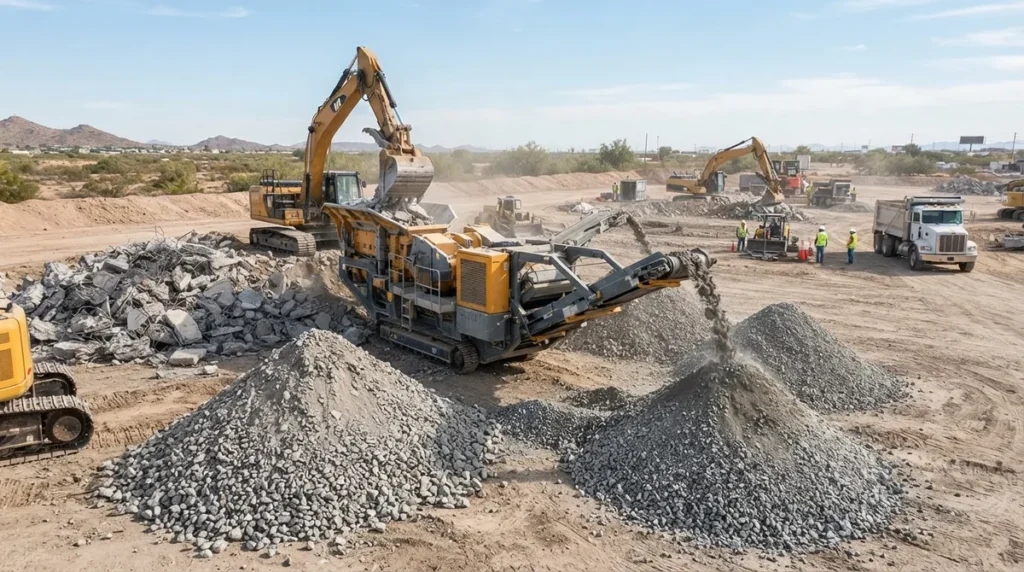
Recycled Concrete Aggregate (RCA) can save commercial demolition projects $50,000 to $100,000+ in dump fees by crushing concrete on-site instead of hauling it to landfills.
-
RCA stands for either a hauling company name or Recycled Concrete Aggregate; properly processed RCA matches or exceeds virgin crushed stone performance for non-structural uses like road bases and fill.
-
On-site concrete recycling reduces truck trips, dust, and noise while speeding up project timelines—critical benefits for homeowners and developers in Clark and Nye counties.
-
General debris hauling costs $200-$600 per load, while heavy materials like concrete cost $50-$100 per cubic yard; planning with your contractor upfront prevents budget surprises.
-
Nevada demolition contractors must be properly licensed and insured; working with licensed professionals protects you from regulatory fines and ensures hazardous material is handled safely.
-
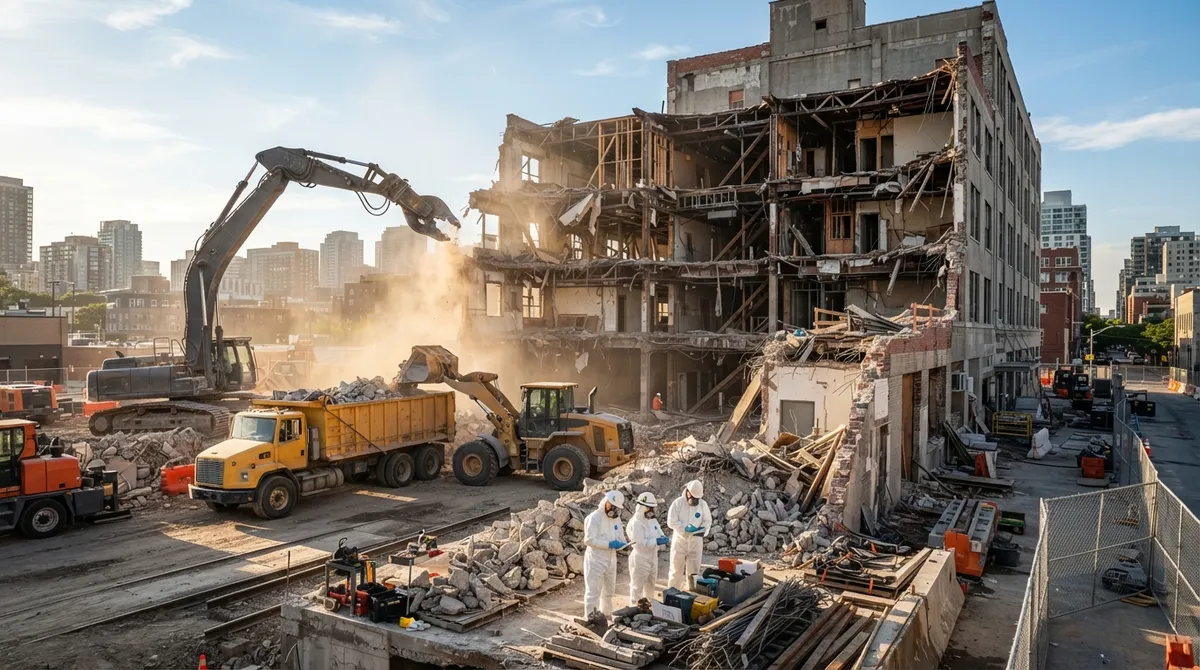
Interior demolition removes walls and fixtures while preserving building structure, while mechanical demolition uses heavy machinery for complete teardowns—choose based on your renovation or full removal needs.
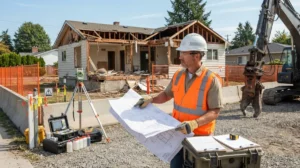
If you’ve been searching for “rca demolition and hauling,” you might feel a little confused right now. That’s okay! This term actually means two different things in the demolition world, and we’re here to clear it up for you. Whether you’re a homeowner planning a small renovation or a developer managing a huge commercial site in Nevada, understanding this term can save you real money and headaches.
In the demolition industry, RCA can stand for a specific hauling company name, or it can mean something totally different: Recycled Concrete Aggregate. Both matter to anyone tearing down a structure. In this guide, we’ll break down both meanings, explain how they connect to your project, and show you why working with a trusted local contractor like 702 Demo makes the whole process simple. Grab a coffee, and let’s dig in together.
Understanding the Two Meanings of RCA in Demolition
The demolition world loves its abbreviations. RCA is a great example of one term with two very different jobs. Let’s look at each one so you know exactly what people mean when they use it.
RCA as a Hauling Company Name
In some parts of the country, RCA Demolition & Hauling refers to an actual family-owned business. For example, there’s an 8-year-old company by that name based in Glen Burnie, Maryland. They handle interior demolition, mechanical demolition, commercial and residential demolition, junk removal, and even roll-off dumpster rentals in 20 and 30 yard sizes. They run a small fleet with just two power units and two drivers, and they’re registered with the Federal Motor Carrier Safety Administration under DOT number 3900213.
This shows you something important. Even small, local demolition and hauling businesses can be fully licensed, professional, and trusted by their communities. That’s exactly the kind of reliability you want when hiring any demolition contractor, whether it’s on the East Coast or right here in Nevada.
RCA as Recycled Concrete Aggregate
Here’s the meaning that matters most for your project in Clark and Nye counties. RCA often stands for Recycled Concrete Aggregate. This is crushed concrete that gets reused instead of thrown away. When old concrete gets demolished, it doesn’t have to end up in a landfill. It can be crushed and turned into new material for roads, driveways, and building fill.
This process is a big deal for anyone doing a demolition project. It saves money, reduces waste, and helps the environment. Let’s talk about why this matters so much to homeowners, builders, and developers alike.
Why Recycled Concrete Aggregate Matters for Your Project
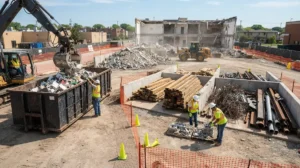
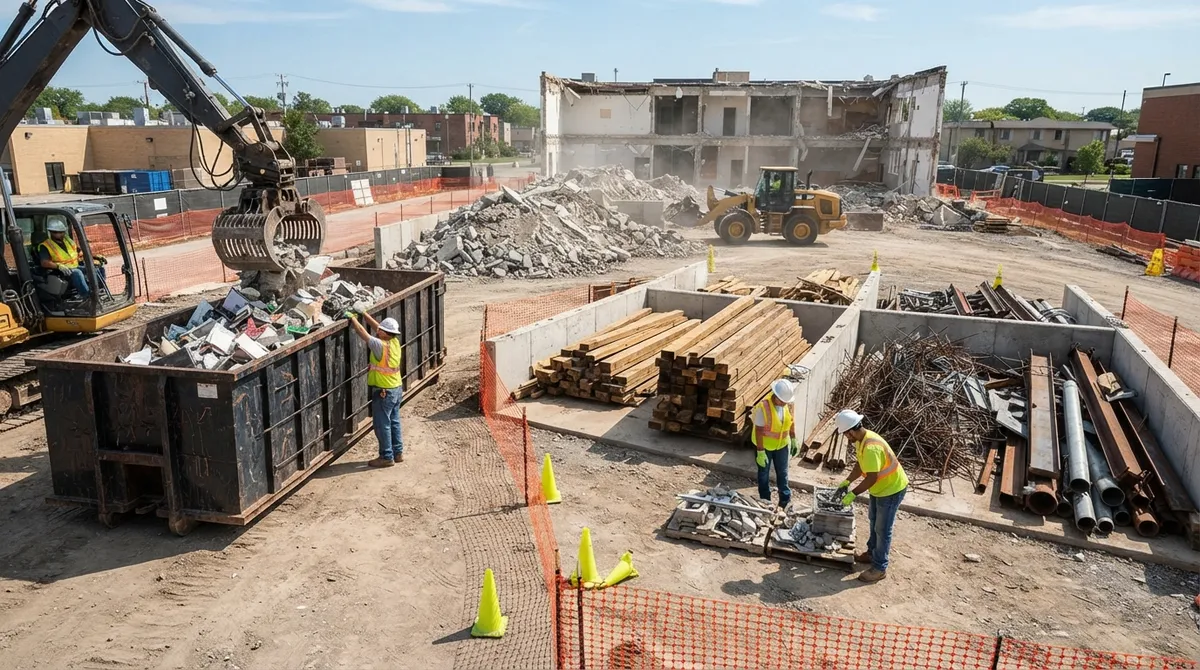
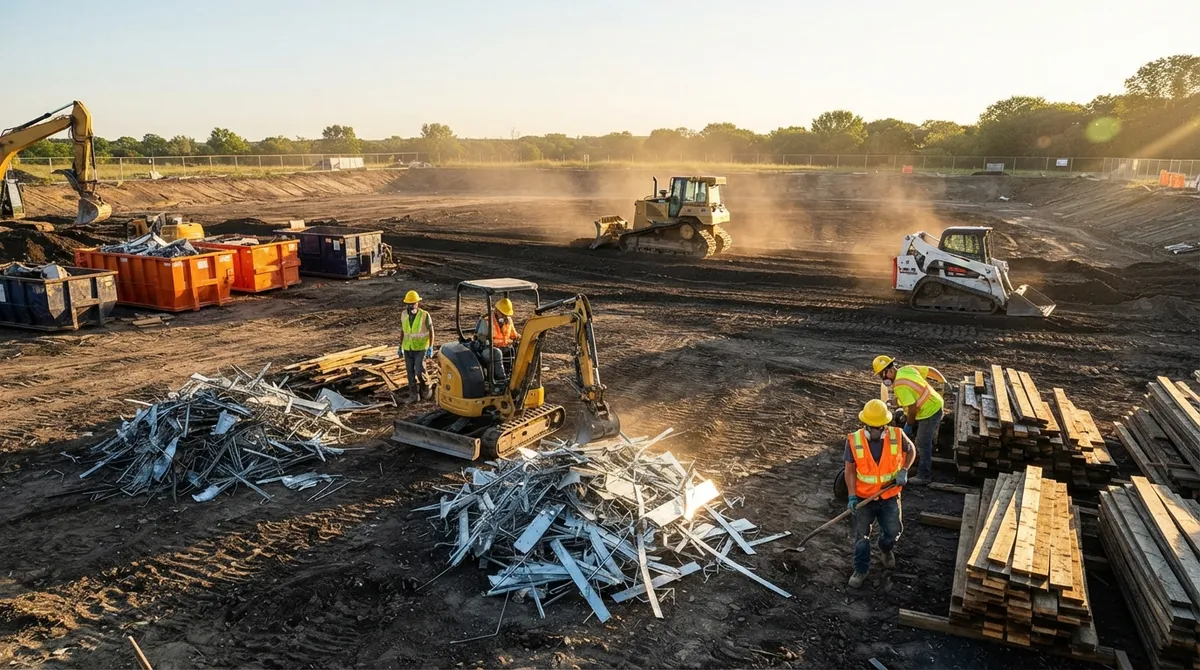
Concrete is heavy. Hauling it away costs money and takes time. But when a demolition company can crush that concrete on-site and turn it into usable material, everyone wins.
- It cuts down on the number of truck trips needed to haul debris away
- It reduces landfill waste, which is better for our desert environment
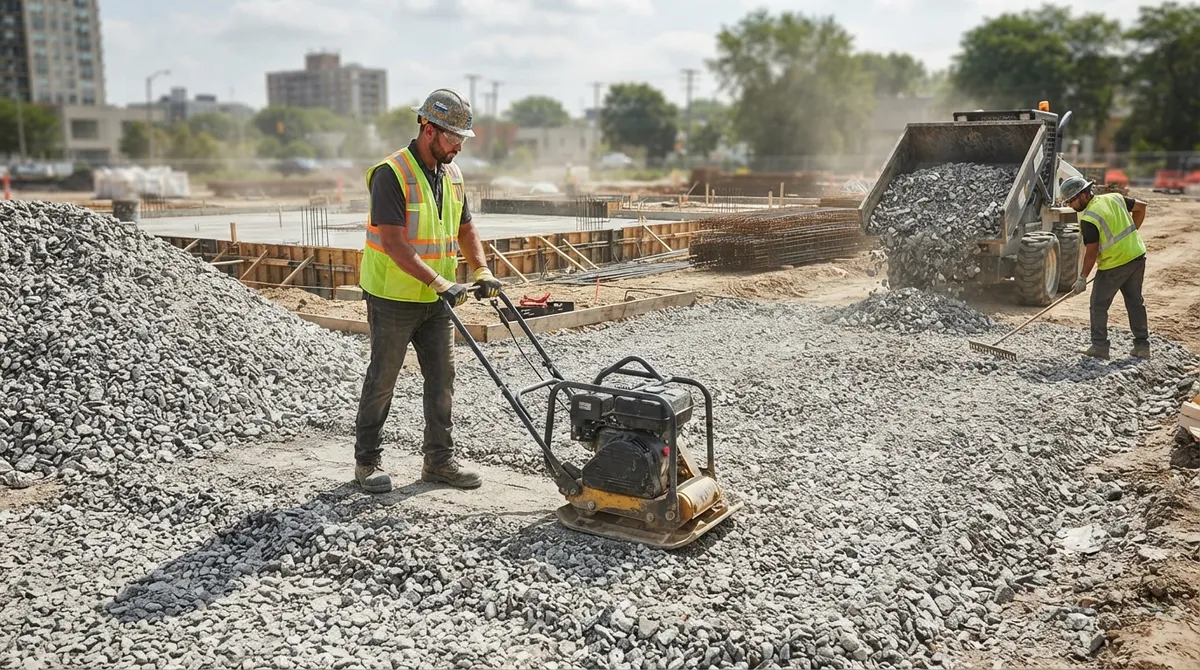
- It creates high-quality base material for new driveways, roads, or foundations
- It often speeds up the entire demolition and rebuilding timeline
- It supports more sustainable building practices across Nevada
According to industry data, a single 1,000-ton commercial demolition project can rack up $50,000 to $100,000 or more in dump fees if the debris gets hauled away instead of recycled on-site. That’s a massive amount of money that smart property owners can avoid spending. When you work with a contractor who understands concrete removal and recycling, you keep more money in your pocket.
How Recycled Concrete Compares to Virgin Stone
Some people worry that recycled material won’t hold up as well as new stone. The good news is that properly processed RCA matches or even exceeds the performance of virgin crushed stone for non-structural uses. Think road bases, drainage stone, and fill material. It’s a smart, tested choice.
| Feature | Recycled Concrete Aggregate (RCA) | Virgin Crushed Stone |
|---|---|---|
| Cost to produce | Lower, since material is already on-site | Higher, requires new quarrying |
| Environmental impact | Reduces landfill waste | Uses new natural resources |
| Performance for road base | Matches or exceeds virgin stone | Reliable standard performance |
| Availability | Depends on demolition supply | Widely available |
| Best use cases | Non-structural fill, drainage, road base | Structural and non-structural uses |
The Four-Stage Process of Making Recycled Concrete Aggregate
Turning old concrete into useful material isn’t as simple as tossing it in a crusher. It takes a careful process. Here’s how it typically works.
- Demolition: The structure or slab gets broken down safely using proper equipment and techniques.
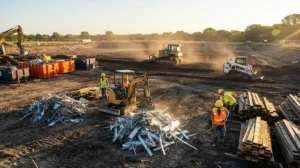
- Pre-processing: Workers remove rebar, wood, and other contaminants from the concrete chunks.
- Crushing: The cleaned concrete gets fed into a crusher that breaks it into smaller, uniform pieces.
- Screening: The crushed material gets sorted by size so it’s ready for its next use, whether that’s road base, drainage fill, or new construction projects.
This process takes skill and the right equipment. That’s why hiring an experienced contractor matters so much. A team like 702 Demo’s building demolition crew knows how to handle every stage safely and efficiently.
What This Means for Homeowners in Clark and Nye Counties
Maybe you’re planning a driveway removal, a loft conversion, or a full home teardown. You might be wondering how any of this RCA talk applies to you.
Here’s the simple answer: when your demolition contractor recycles concrete on-site, your project can move faster and create less mess. Less hauling means less dust, fewer trucks in your neighborhood, and often a quicker timeline. That matters if you care about energy efficiency, dust control, and staying on budget.
- Fewer trucks driving through your street during demolition
- Reduced dust and noise from constant hauling trips
- Faster completion of your pool removal or driveway teardown project
- Potential reuse of crushed material for your own new driveway or fill
If you want to see how happy local homeowners have been with their projects, you can always visit us on Google — 702 Demo to read real reviews from your neighbors.
What This Means for Commercial Builders and Developers
If you’re managing a commercial build or a large residential development in Nevada, recycled concrete aggregate isn’t just a nice bonus. It’s a smart business decision.
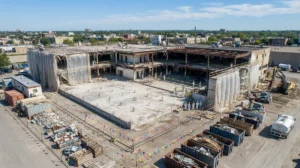
Large sites often generate hundreds or thousands of tons of concrete debris. Recycling that material on-site can eliminate massive dump fees, sometimes tens of thousands of dollars per project. That savings can go straight back into your budget for other parts of the build.
Key Benefits for Large-Scale Projects
- Lower disposal costs since less material leaves the site
- Faster project timelines with fewer hauling delays
- Reusable base material for new roads, parking lots, or foundations
- Better sustainability scores for green building certifications
- Less strain on local landfill capacity
Developers working on new residential or commercial projects should always ask their excavating and grading contractor about on-site recycling options. It’s one of those details that can make a huge difference in your bottom line.
Debris Hauling Costs You Should Understand
Even with recycling, some hauling will always be part of a demolition project. It helps to know what typical costs look like so you can plan your budget wisely.
| Hauling Type | Typical Cost Range | Notes |
|---|---|---|
| General debris per load | $200 to $600 | Depends on volume and local disposal fees |
| Heavy materials per cubic yard | $50 to $100 | Includes concrete, brick, and stone |
| On-site recycling | Often lower than full haul-away | Reduces number of loads needed |
These numbers show why planning ahead with your demolition contractor matters. A good hauling services plan can keep your project moving without unexpected surprises.
Licensing and Regulations Around Hauling
Something a lot of property owners don’t realize is that hauling construction debris often requires special licensing. For example, New Jersey requires an A-901 license from the state’s environmental protection department for anyone hauling debris generated by others. This shows how seriously regulators take proper waste handling.
Here in Nevada, similar rules apply. Contractors need proper permits before starting demolition work. You can check the Las Vegas demolition permit guidelines to understand what’s required for your area. The Clark County Building Department is also a great resource if you have questions about local codes.
Working with a licensed, insured contractor protects you from fines and delays. It’s one more reason why choosing a trusted name matters so much. Learn more about what makes a licensed demolition contractor essential for your project before you sign any contracts.
Interior Demolition vs Mechanical Demolition
Since RCA companies often list both interior and mechanical demolition as services, it helps to know the difference.
- Interior demolition focuses on removing walls, flooring, cabinets, and fixtures inside a building while keeping the outer structure standing.
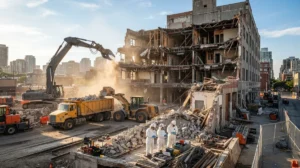
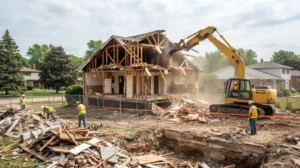
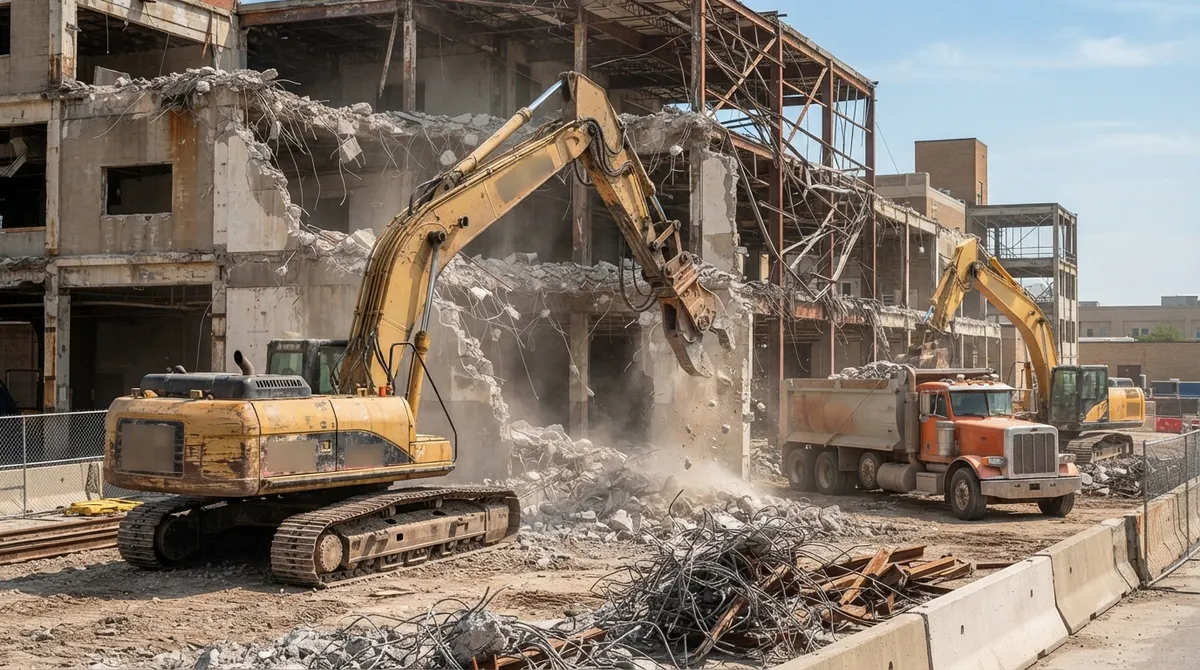
- Mechanical demolition uses heavy machinery like excavators and hydraulic breakers to tear down entire structures, including the frame and foundation.
Renovation contractors often need interior demolition for remodels, while full teardowns require mechanical demolition. Our team has years of experience with both, and you can learn more in our guide on interior demolition secrets that save money.
Why Property Managers Should Care About Debris Hauling
Property managers overseeing multi-family or commercial buildings face unique challenges. Hazardous materials, tight timelines, and tenant safety all come into play during any demolition or renovation project.
- Confirm your contractor handles hazardous material removal safely
- Ask about dust control measures during structural work
- Request a clear hauling and disposal plan before work begins
- Verify licensing and insurance for every crew member on-site
A trustworthy partner takes these worries off your plate completely. That’s exactly the kind of service our team aims to deliver across every project in Clark and Nye counties.
Choosing the Right Demolition Partner in Las Vegas
No matter which meaning of RCA brought you here, one thing is clear. Demolition and hauling work best when handled by professionals who understand both the technical process and the local rules.
702 Demo has built a reputation as the leading demolition contractor in Las Vegas by combining careful planning, proper recycling practices, and honest communication. We handle everything from small residential teardowns to large commercial site clearing, always with an eye toward saving you time and reducing waste.
Whether you need concrete crushing, full building removal, or simple debris hauling, our team is ready to help. We believe every project, big or small, deserves the same level of care and expertise.
Ready to Start Your Demolition Project?
Understanding RCA demolition and hauling, whether you mean the company name or recycled concrete aggregate, helps you make smarter choices for your project. You now know how recycling concrete saves money, how hauling costs work, and why licensing matters so much.
If you’re ready to move forward with a demolition or hauling project in Clark or Nye county, our friendly team is here to help every step of the way. Contact 702 Demo for a free estimate today, and let’s get your project moving in the right direction.
FAQs
Q: What does RCA stand for in demolition and hauling?
A: Great question! RCA can mean two things in our industry. It’s sometimes a company name, like RCA Demolition & Hauling in Maryland. But it more commonly stands for Recycled Concrete Aggregate, which is crushed concrete reused for road bases and fill material.
Q: How much can I save by recycling concrete on-site?
A: You could save a lot! Large commercial projects can avoid $50,000 to $100,000 or more in dump fees by crushing and reusing concrete instead of hauling it away. Even smaller projects benefit from reduced hauling trips and faster timelines.
Q: How much does debris hauling typically cost?
A: Hauling costs usually run between $200 and $600 per load for general debris. Heavy materials like concrete and stone often cost $50 to $100 per cubic yard, depending on your local disposal fees.
Q: Do I need a special license to haul construction debris?
A: In many areas, yes! Some states, like New Jersey, require an A-901 license for hauling debris generated by others. Here in Nevada, working with a properly licensed contractor keeps your project compliant and stress-free.
Q: What’s the difference between interior and mechanical demolition?
A: Interior demolition removes walls, floors, and fixtures while keeping the building’s shell intact, perfect for remodels. Mechanical demolition uses heavy machinery to tear down entire structures, including the foundation, for full teardowns.