Key Takeaways
-
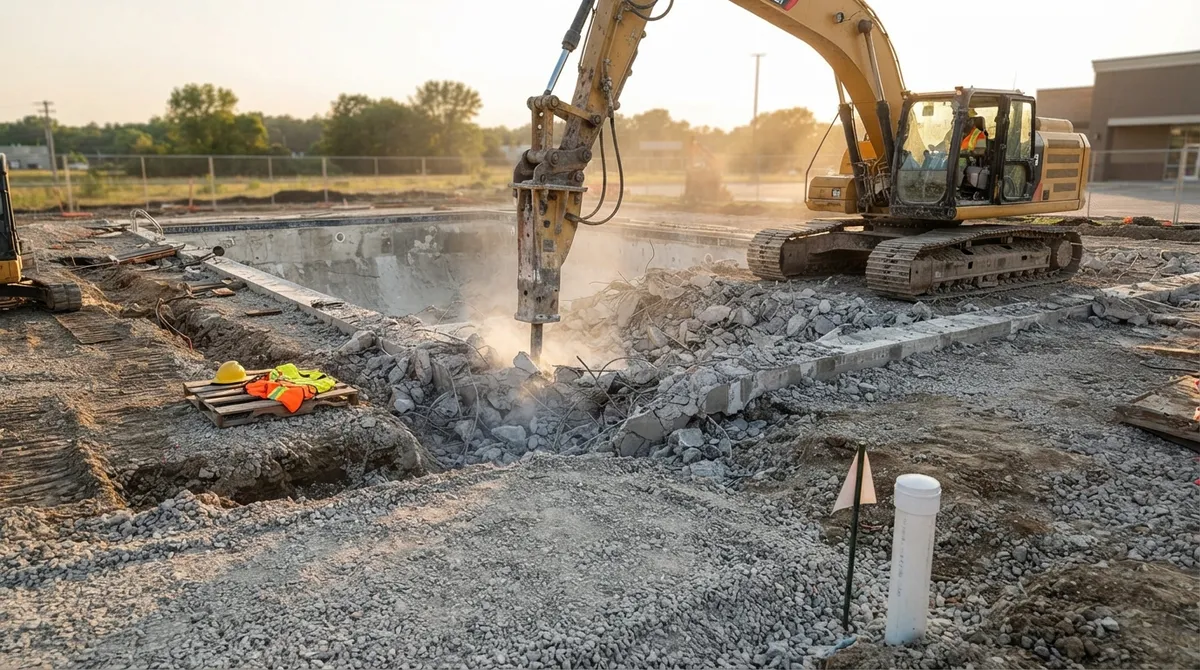
Partial removal (abandonment in place) leaves the shell in the ground and is often unsuitable for building, while complete removal is usually required if you plan to build a home addition, garage, or other heavy structure over the site.
-
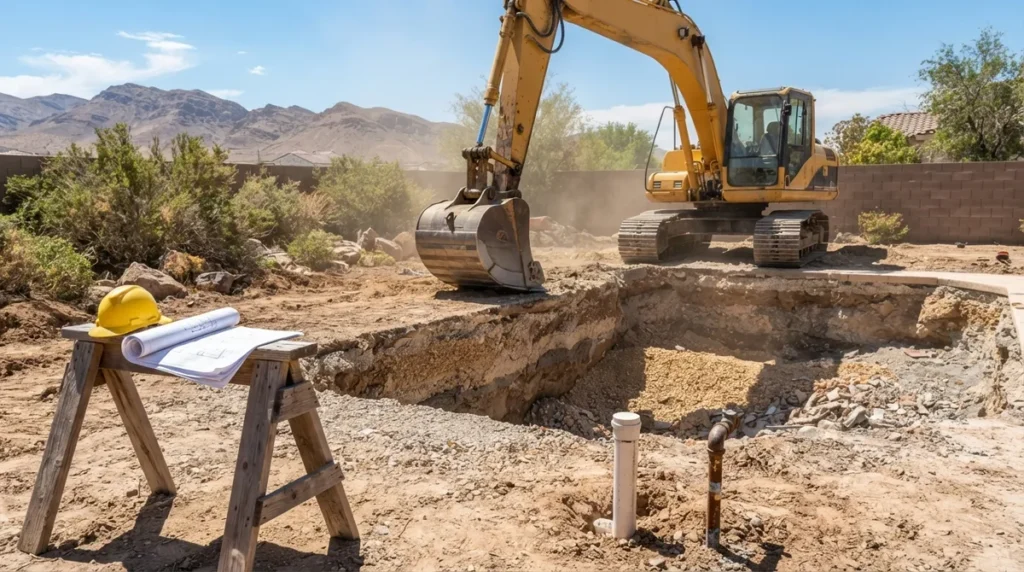
Almost every project needs a demolition or building permit first, and permit applications often require a site plan showing pool size, property lines, and how the space will be filled.
-
Electrical, plumbing, and gas lines must be disconnected by a qualified contractor before any digging begins, and inspections at key stages can prevent costly re-excavation if backfill is placed too early.
-
Backfill must be placed in layers and compacted to your local authority's standard, since requirements vary widely (for example, 90% to 95% compaction in examples cited), and many places require a final compaction report.
Thinking about saying goodbye to your backyard pool? You are not alone. Many Nevada homeowners reach a point where the pool costs more time and worry than it gives back in fun. Maybe it leaks. Maybe the kids have grown up. Maybe you just want a yard you can actually use.
The good news is that residential pool demolition is a well-known process, and you can feel confident going into it when you know the basics. In 2026, more homeowners, renovation contractors, and developers in Clark and Nye counties are turning old pools into usable land.
In this friendly guide, we walk through 10 key facts about residential pool demolition. You will learn about the two main methods, permits, utilities, backfill, drainage, inspections, and future building limits. We keep it simple and clear, so you can plan with confidence and avoid surprises.
1. Residential Pool Demolition Has Two Main Methods
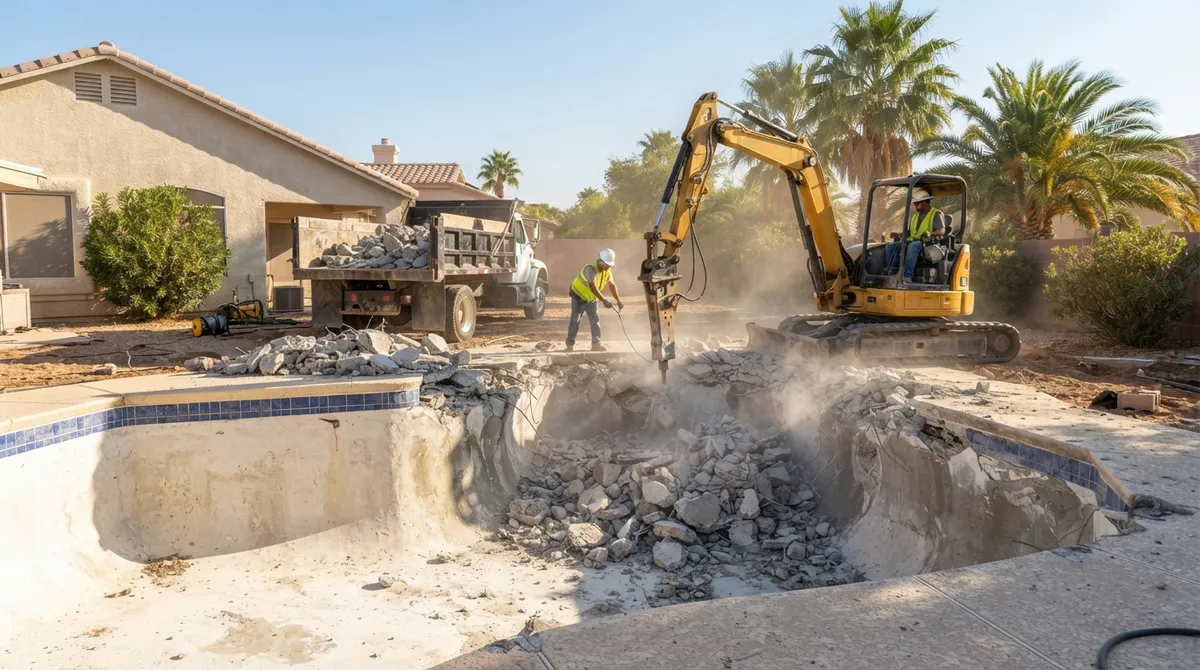
Residential pool demolition usually follows one of two paths. Local rules and your future plans decide which one fits your property.
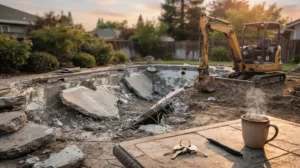
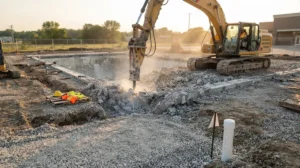
- Partial removal (abandonment in place): The crew breaks up the top of the pool walls, opens the floor so water can drain, and fills the remaining shell.
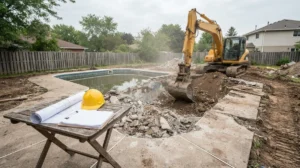
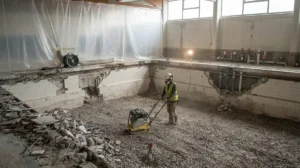
- Complete removal: The crew takes out the whole pool shell, hauls away the materials, backfills the hole, and restores the site.
Both methods can work well. The right choice depends on soil, site access, local code, and what you want to build later. Our pool removal page explains how these options fit different yards.
2. Partial and Complete Removal Compared
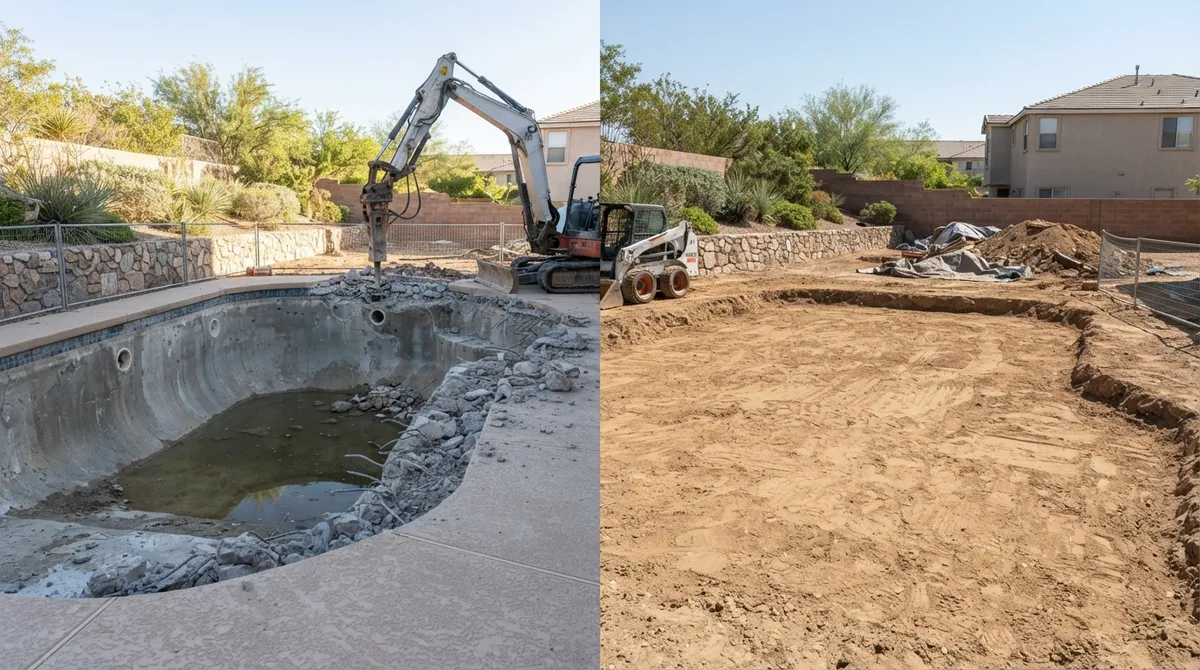
Here is a quick side-by-side view to help you picture the difference. Remember that exact details are set locally, so always confirm with your city or county.
| Feature | Partial Removal | Complete Removal |
|---|---|---|
| What happens to the shell | Upper walls removed, floor opened, rest left in place | Entire shell removed and hauled away |
| Backfill | Fills the remaining cavity | Fills the full excavation |
| Building over the area | Often limited or not allowed | Often required for future structures |
| Project scope | Usually lighter | Usually more involved |
| Best for | Yards, play areas, landscaping | Additions, garages, new homes |
If you want to learn more about the scope of each approach, read our guide on full pool removal steps, permits, and what to expect.
3. You Will Likely Need a Permit
Most areas require a demolition or building permit before any pool work starts. Rules differ from city to city and county to county. An application often asks for a site plan. That plan may show pool size, property lines, nearby structures, and how you plan to fill the space.
Skipping the permit can cause delays, fines, and trouble when you sell your home. Check the Las Vegas demolition permit guidelines and the Clark County Building Department to see what applies to your address. You can also read our post on 8 pool demolition permit facts to know in 2026.
4. Utilities Must Be Handled First
Before any digging starts, the crew must deal with the pool’s connections. That usually means:
- Electrical lines for pumps, lights, and heaters
- Plumbing lines for filtration and water features
- Gas lines for pool heaters
A qualified contractor confirms each disconnect and follows the permit conditions. This step keeps everyone safe and protects your property. For a closer look, see our 12 utility disconnect steps for pool removal.
5. Pool Water Needs Careful Handling
Pool water does not belong just anywhere. Some places do not allow pool water or construction runoff to flow into storm drains. Local rules may call for pumping the water to an approved spot or managing it in another way.
Chemicals in the water matter too. Your contractor should know the local rules and plan the draining step with care. Want the full picture? Our guide on how to drain and demolish a pool the right way covers it step by step.
6. Drainage Holes Are Part of Partial Removal
When a pool is filled in place, water must not get trapped inside the old shell. Trapped water can cause sinking, soft spots, and long-term headaches.
That is why the floor gets opened up. One California county, Contra Costa, calls for at least three drainage holes. Each hole must be at least 24 inches wide and no more than 8 feet apart in the cited procedure. Your local rules may differ, so treat this as an example, not a universal rule.
7. Backfill and Compaction Are Critical
This is the part that decides whether your yard stays flat and strong for years. Backfill is the material that fills the hole. Compaction means packing it tight in layers.
Local requirements vary a lot. Here are a few real examples from government guidance:
- Maricopa County, Arizona: at least 90% relative-density compaction for certain pool-removal backfill, with a compaction report needed for approval
- San Mateo, California: clean fill placed in 6- to 12-inch lifts and compacted to 90% for one abandonment option
- Prince George’s County, Maryland: at least 95% ASTM D-698 Standard Proctor compaction for certain full-removal projects where a building is planned over or within five feet of the pool
These figures show how much rules can differ. Always follow the standard set by your own local authority. A pro crew will also keep proper records, since some places want a final compaction report.
8. Future Building Plans Change Everything
Here is a fact that surprises many owners. A pool that is only partly removed may not be safe to build on. Some jurisdictions even require the area to be marked as unbuildable space.
So ask yourself what you want in that spot a few years from now:
- Just grass, plants, or a play area? Partial removal may be enough.
- A patio, driveway, or garden room? Check local rules first.
- A home addition, garage, or any structure with a heavy load? Complete removal is often required.
Real estate developers and renovation contractors should settle this early. It protects the schedule and avoids costly rework. Our post on pool demolition regulations Nevada owners must know goes deeper on this topic.
9. Inspections Keep the Project on Track
Inspections are a normal part of residential pool demolition. Your permit may call for checks at key moments, such as after utility disconnects, before backfill, or after final compaction.
Good timing matters. If the crew fills the hole before the inspector sees it, you may have to dig it back out. A seasoned contractor plans the work around the inspection schedule. Learn more in what inspections a pool demolition requires.
10. Choosing the Right Contractor Makes All the Difference
The crew you hire shapes the whole experience. Look for a team that offers more than just demolition. Pool removal touches excavation, grading, concrete, hauling, and site restoration. One team that does it all keeps things smooth.
At 702 Demo, we are a full-service demolition, excavating, grading, concrete, and paving contractor serving all of Clark and Nye counties. We proudly stand as the best demolition contractor in Las Vegas, and we back that up with careful planning, clear communication, and tidy job sites. You can read what neighbors say when you visit us on Google — 702 Demo.
When you compare teams, ask these questions:
- Are you licensed and insured for demolition work?
- Will you handle permits and inspections?
- How do you manage pool water, debris, and hauling?
- What backfill and compaction records will I receive?
- Can you finish the site with grading or concrete work?
Our guide on how to verify a licensed and insured demolition contractor can help you check the answers.
What the Process Looks Like Step by Step
Wondering how a typical project flows? While details vary by site and by local rules, most pool demolition jobs follow this order:
- Confirm local requirements and pull the permit.
- Disconnect electrical, plumbing, and gas lines.
- Drain and manage the pool water properly.
- Remove the deck, coping, or surrounding concrete as needed.
- Open up or remove the pool shell.
- Backfill in layers and compact the soil.
- Pass required inspections.
- Grade the yard and prepare it for its next use.
For a deeper walk-through, see our 8 steps in the pool demolition process.
Who Benefits Most From Pool Demolition?
Residential pool demolition helps many kinds of property owners. Each group has its own reasons and goals:
- Homeowners: Reclaim yard space, cut upkeep, and reduce safety worries.
- Renovation contractors: Clear the way for additions, ADUs, and new outdoor living spaces.
- Property managers: Remove unused or risky pools at multi-family or rental properties.
- Real estate developers: Prep lots for new construction with proper compaction records.
- Commercial builders: Handle sites with old residential pools before redevelopment.
No matter which group you fall into, a clear plan saves time and stress. It also helps to know how pool work connects to the rest of the job. Our team can pair excavating and grading with hauling services so your site is ready for what comes next.
Ready to Reclaim Your Yard?
Residential pool demolition does not have to feel scary. When you know the methods, permits, utility steps, backfill rules, and inspection needs, you can plan with a calm mind. The key is to match the method to your future plans and to hire a team that does the work the right way.
We would love to help you turn that unused pool into a space you will enjoy. Contact 702 Demo for a free estimate and let our friendly crew walk you through your options. Your new backyard is closer than you think.
FAQs
Q: Do I need a permit to remove an inground pool?
A: In most places, yes. A demolition or building permit is commonly required before work begins, and the rules vary by city and county. Check with your local building department, or let a qualified contractor like 702 Demo guide you through it.
Q: What is the difference between partial pool removal and complete removal?
A: Partial removal breaks up the top of the pool walls, opens the floor for drainage, and fills the leftover shell. Complete removal takes out the whole shell before backfilling. Complete removal is often needed if you plan to build over the spot.
Q: Can I build a house, patio, or driveway over a demolished pool?
A: It depends on the method and your local rules. Partial removal can leave the area unsuitable for structures, and some places mark it as unbuildable. If you plan to build, ask about complete removal and proper compaction first.
Q: What happens to the pool water and demolition debris?
A: Pool water and construction debris must be handled by local rules. Some areas do not allow pool water or construction pollutants to enter storm drains. A good contractor pumps, manages, and hauls these materials the right way.
Q: How is a pool filled in after demolition, and does it need compaction?
A: The hole is filled with approved material, often placed in layers and packed tight. Many places set compaction targets, and some ask for a final compaction report. Your local authority decides the exact standard for your project.