Key Takeaways
-
Mechanical demolition uses heavy machinery as the primary force to tear down structures and accounts for the vast majority of demolition projects, unlike implosion which is used in less than 1% of jobs.
-
The process follows a structured sequence: site assessment for hazards, utility disconnection, permit acquisition, equipment operation for section-by-section breakdown, and debris sorting/disposal to ensure safety and efficiency.
-
Mechanical demolition is safer than manual methods because operators work inside protected equipment cabs, reducing direct exposure to falling debris, unstable structures, and dust, though OSHA compliance is essential.
-
Choose mechanical demolition for complete structure removal on tight timelines when material salvage isn’t a priority, as it’s faster and more cost-effective than manual methods for large buildings.
-
Licensed contractors handle critical compliance tasks including permit acquisition, utility disconnection coordination, OSHA standard adherence, and proper debris management, which protects you from legal and safety issues.
-
Equipment used includes excavators with hydraulic breakers, bulldozers, cranes, crushers, and skid steers, with each machine designed to handle specific demolition tasks from small residential jobs to large commercial clearances.
Ever driven past a job site in Las Vegas and watched a huge machine crunch through a building like it’s made of cardboard? That’s mechanical demolition in action, and it’s honestly one of the coolest things to see in person. Whether you’re a homeowner planning a teardown or a developer eyeing a big commercial site, understanding this method can help you feel confident about your next project.
Mechanical demolition is the most common way structures get torn down today. It uses powered machines instead of hand tools, explosives, or chemicals. Think excavators, bulldozers, and hydraulic breakers doing the heavy lifting. This guide will walk you through exactly what it is, how it works, and why it might be the perfect fit for your property in Clark or Nye County. Let’s dig in together.
What Is Mechanical Demolition, Exactly?
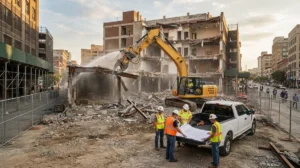
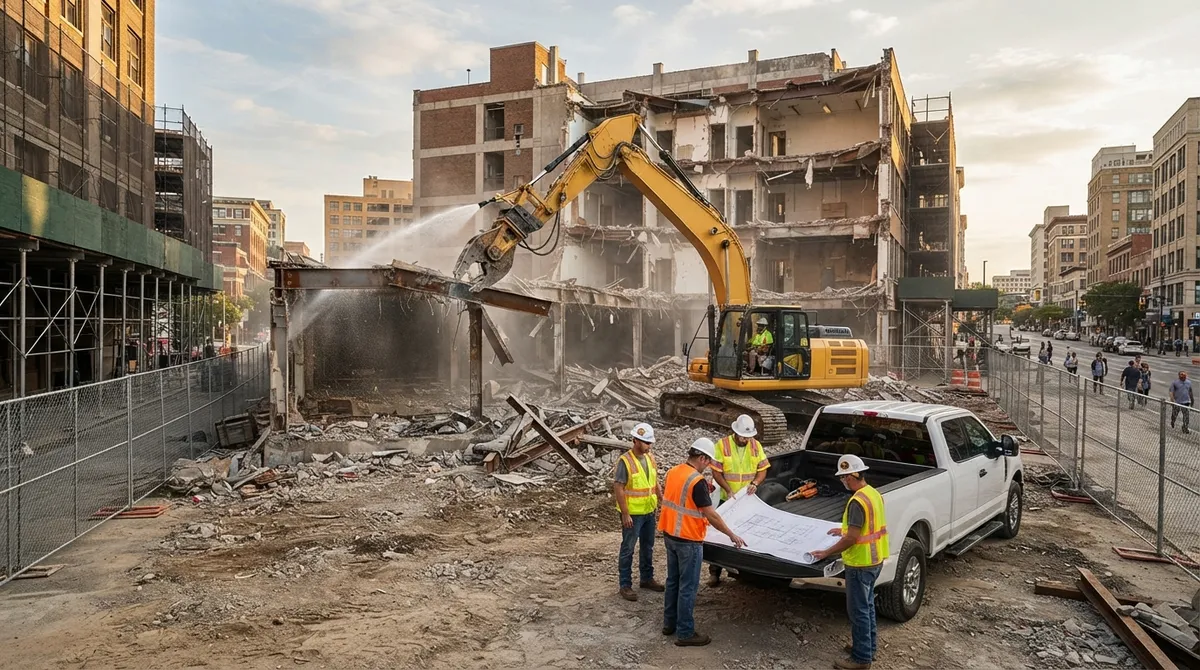
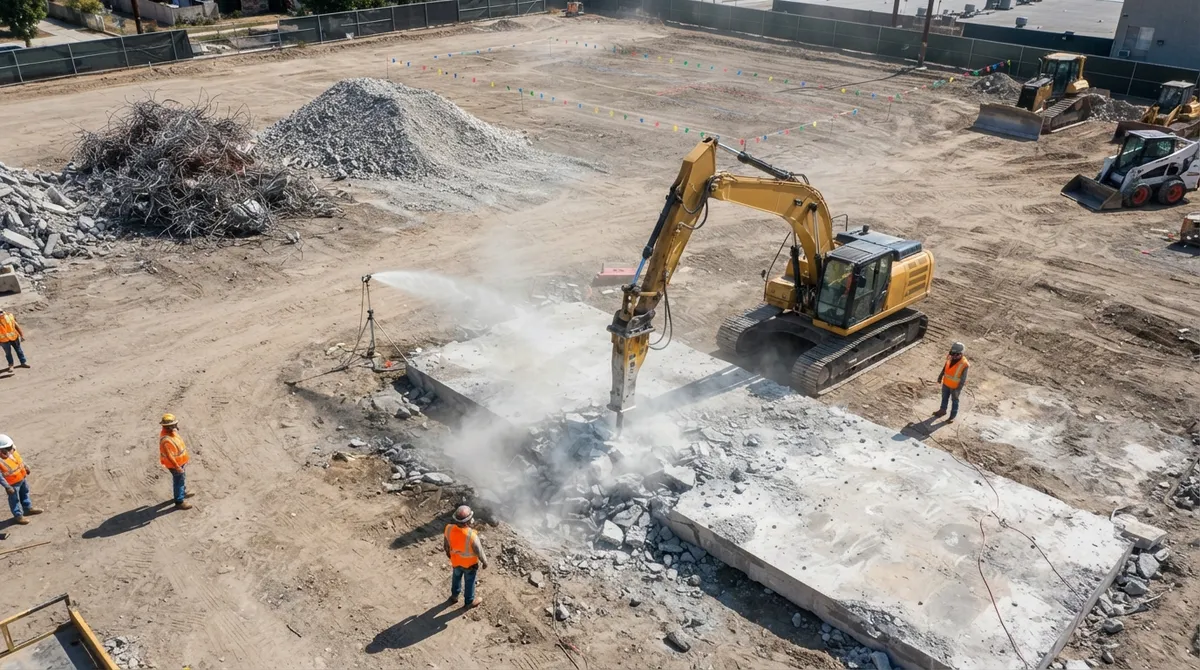
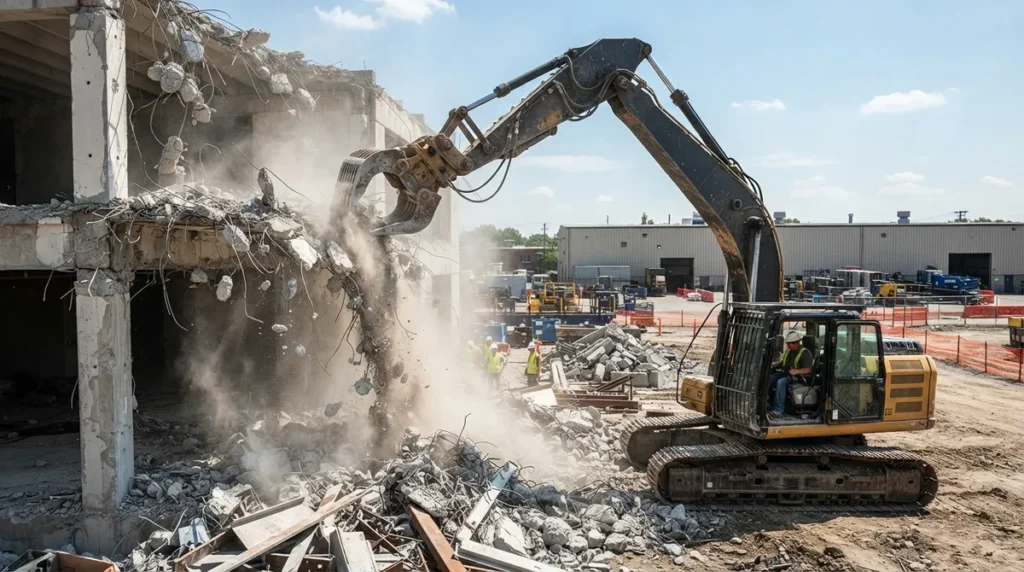
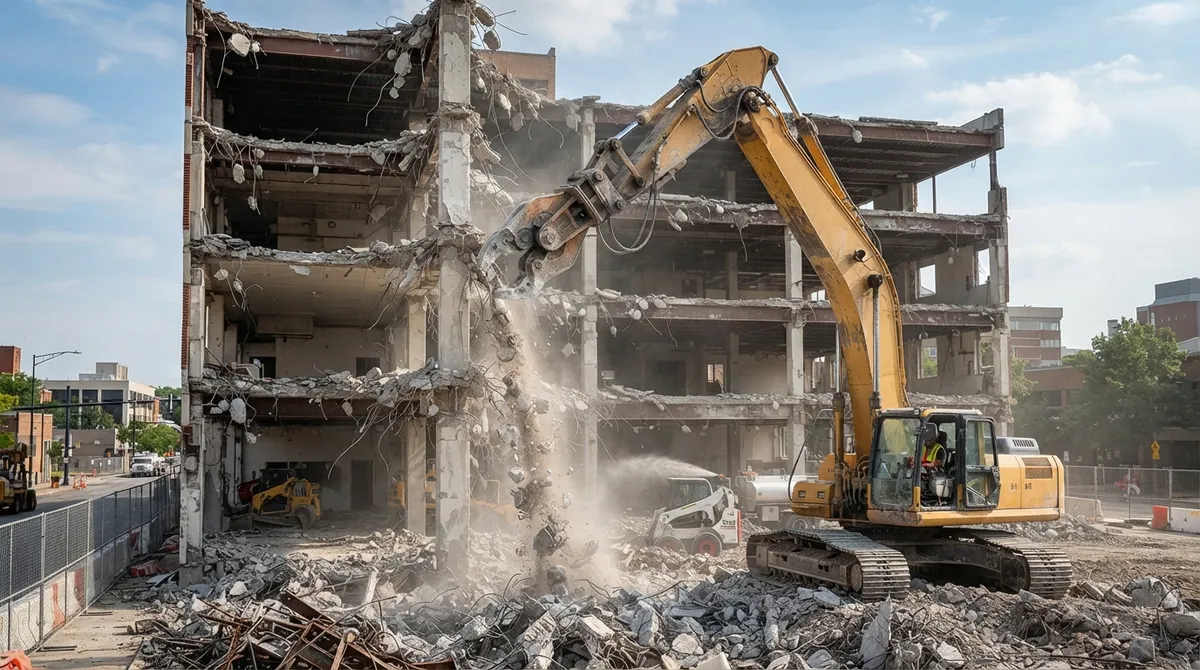
Mechanical demolition is the process of tearing down a structure using heavy equipment as the main force. Instead of workers swinging sledgehammers all day, machines do most of the work. This makes the process faster, safer, and better suited for bigger jobs.
Industry sources describe mechanical demolition as the dominant method used across the United States for structural removal. It’s also one of the most widely used demolition approaches in places like the United Kingdom. Basically, if a building needs to come down and speed matters, mechanical demolition is usually the answer.
The key thing that sets it apart from other methods is simple. The primary force comes from machines, not people, chemicals, or explosives. This distinguishes it from implosion, hydrodemolition, and manual deconstruction.
How Mechanical Demolition Differs From Other Methods
People sometimes mix up demolition methods, so let’s clear things up. Here’s a quick breakdown of how mechanical demolition compares to other common approaches.
| Method | Primary Force | Best Used For |
|---|---|---|
| Mechanical Demolition | Heavy machinery | Most residential and commercial structures |
| Implosion | Explosives | Large high-rise buildings (rare, less than 1% of projects) |
| Manual Deconstruction | Hand tools and labor | Salvaging materials, historic buildings |
| Hydrodemolition | High-pressure water | Concrete surface removal, bridges |
As you can see, mechanical demolition covers the vast majority of everyday projects. Implosion, on the other hand, is used in less than 1% of demolition jobs. That’s a huge gap, and it shows just how standard mechanical demolition really is.
How Does Mechanical Demolition Work?
The process is more organized than you might think. It’s not just machines smashing walls randomly. There’s a clear sequence that keeps the job safe and efficient.
- Site assessment and planning happen first, including checking for hazardous materials.
- Utilities like gas, water, and electricity get disconnected.
- Permits get pulled from the local building department.
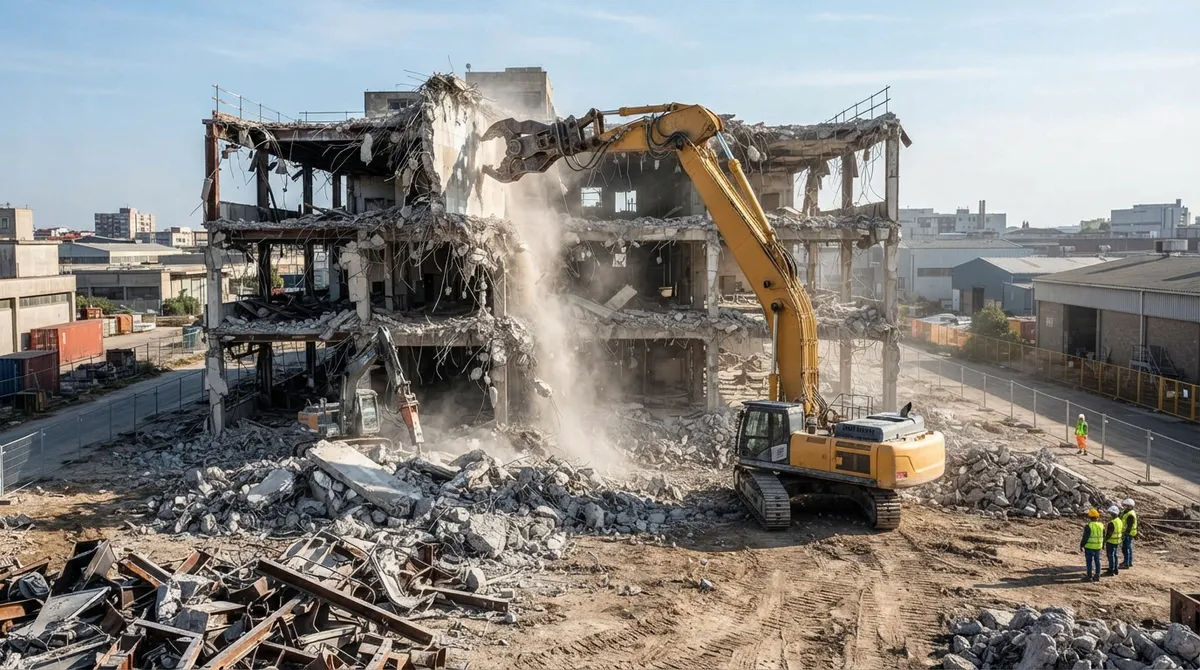
- Equipment arrives and operators begin breaking down the structure section by section.
- Debris gets sorted, crushed, or hauled away for disposal or recycling.
- The site gets cleared and graded for whatever comes next.
This step-by-step approach helps prevent accidents and keeps neighbors and nearby properties safe. It also makes the whole project move along much faster than manual methods ever could.
Common Equipment Used in Mechanical Demolition
You’ll see a variety of machines on a mechanical demolition site, and each one has a special job. Here’s what typically shows up:
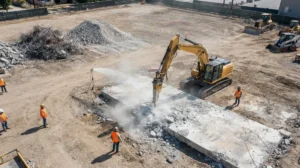
- Excavators fitted with hydraulic breakers or shears
- Bulldozers for pushing debris and clearing land
- Cranes for lifting heavy sections or wrecking balls
- Crushers that reduce concrete into reusable material
- Skid steers for smaller, tighter spaces
- Dump trucks for hauling debris off site
These attachments and machines let a demolition crew handle almost any size structure. Whether it’s a small backyard shed or a multi-story commercial building, there’s a machine built for the job. If you’re curious about how this applies to bigger structures, check out this guide on building demolition for more detail.
Why Choose Mechanical Demolition for Your Project?
Speed and efficiency are the biggest reasons people go with mechanical demolition. When you need a site cleared quickly to start building something new, this method gets you there faster than almost anything else.
Here are the top reasons property owners and developers pick mechanical demolition:
- It works well for complete structure removal, not just partial jobs.
- It’s ideal when you’re on a tight construction timeline.
- It keeps workers safer by putting them inside protected equipment cabs.
- It handles large volumes of debris quickly.
- It’s cost-effective for full teardowns compared to slower manual methods.
For homeowners in Las Vegas thinking about a full teardown for a rebuild, mechanical demolition often makes the most sense. Commercial builders and real estate developers especially appreciate how fast a site can be cleared and prepped for new construction.
Is Mechanical Demolition Safer Than Manual Demolition?
This is a great question, and the short answer is generally yes. Mechanical demolition keeps operators inside protected cabs or working from a safer distance. This reduces direct exposure to falling debris, unstable structures, or dust.
That said, safety still depends heavily on proper training and following regulations. OSHA has a specific demolition standard, found under OSHA’s mechanical demolition regulations, that outlines requirements for equipment use, site preparation, and worker protection during mechanical demolition work.
When Mechanical Demolition Makes the Most Sense
Not every project needs the same approach. Here’s when mechanical demolition tends to be the smartest choice:
- You’re demolishing an entire structure, not just part of it.
- The building has no significant historic or salvage value.
- You need the site cleared quickly for redevelopment.
- The structure is large enough that manual labor would take too long.
- Your project timeline and budget favor speed over material salvage.
On the flip side, if you’re doing a partial renovation or want to save specific materials, a more selective approach like interior demolition or soft strip methods might be a better fit. It really depends on your goals for the property.
Permits and Safety Rules for Mechanical Demolition
Before any machine touches your property, permits usually need to be in place. This protects you, your neighbors, and the crew doing the work.
In Las Vegas, you’ll want to review the Las Vegas demolition permit guidelines before starting any project. These outline what documentation and inspections are required. If your property falls outside city limits, the Clark County Building Department can guide you through the local requirements for your area.
For projects involving mechanical means and methods inside a building, or for partial demolition work, special inspections may also be required. This helps confirm the structure is being handled safely throughout the process. A licensed and experienced contractor will know exactly what’s needed, so you don’t have to stress over the paperwork.
Why Working With a Licensed Contractor Matters
Permits and safety codes exist for good reason, and skipping them can create serious headaches down the road. A licensed contractor understands local rules and handles the details for you.
Here’s what a good demolition contractor typically takes care of:
- Pulling the correct permits before work begins
- Coordinating utility disconnections safely
- Following OSHA and local safety standards
- Managing debris hauling and disposal properly
- Communicating timelines clearly throughout the project
This is exactly the kind of full-service support you’ll find with a trusted team that handles everything from start to finish, including excavating and grading once the demolition wraps up.
Mechanical Demolition for Different Types of Properties
Every property type has slightly different needs, and mechanical demolition flexes to match. Homeowners, contractors, and developers all use this method, just for different reasons.
For homeowners, it’s often about clearing an old structure to make room for something better. Maybe it’s an outdated home, an old shed, or even a backyard feature that’s seen better days. If a pool is part of the picture, take a look at this pool removal guide to understand how mechanical equipment handles that specific job.
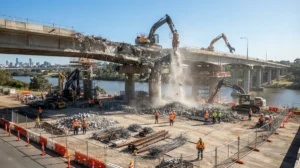
Commercial builders and real estate developers rely on mechanical demolition to clear large sites fast. This keeps construction schedules on track and avoids costly delays. Property managers often need it for aging buildings, hazardous material removal, or full structural teardowns as part of redevelopment plans.
Renovation Projects and Selective Mechanical Work
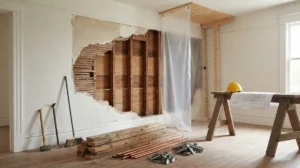
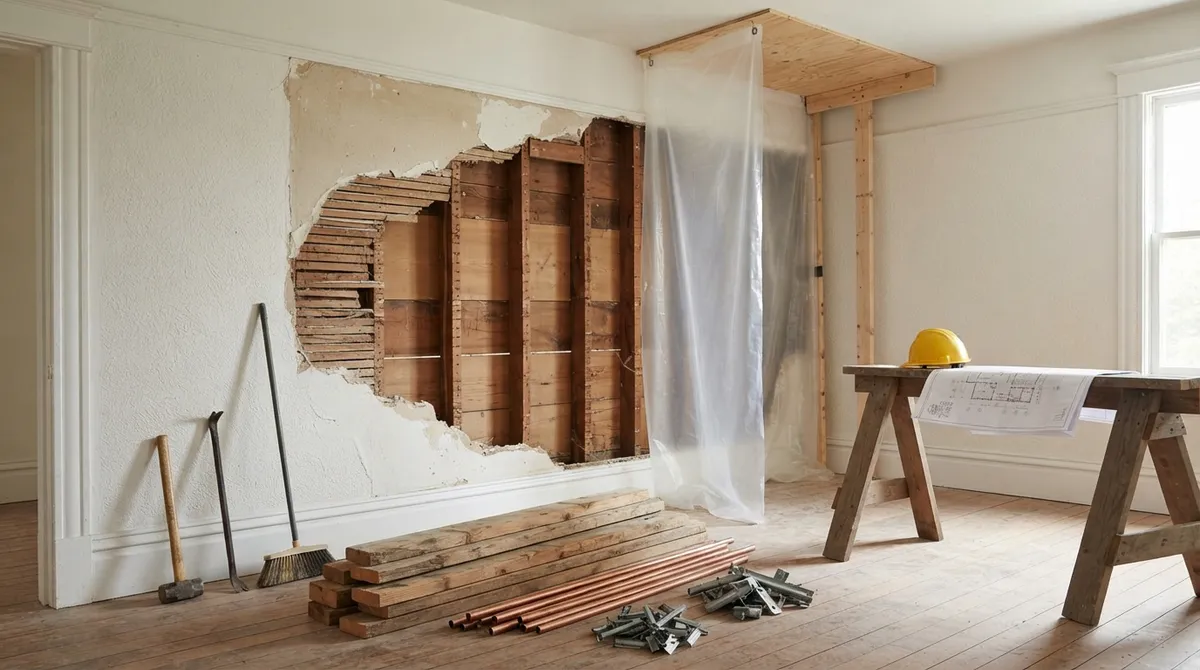
Not all mechanical demolition means tearing an entire building down. Sometimes it’s about removing specific sections, like old concrete slabs, driveways, or interior walls, while keeping the rest of the structure intact.
Renovation contractors often use mechanical tools for foundation repairs or prepping a space for a remodel. If you’re dealing with old concrete, this concrete removal guide breaks down exactly how that process works using mechanical equipment.
Why 702 Demo Is a Trusted Choice for Mechanical Demolition
702 Demo has spent years serving Clark and Nye counties with reliable, professional demolition services. From residential teardowns to large commercial clearances, the team brings the right equipment and experience to every job site.
What makes working with a full-service contractor so valuable is that everything gets handled under one roof. Demolition, hauling, grading, and even paving can all be coordinated together, saving you time and reducing stress. If you want to see what past clients have experienced, feel free to visit us on Google — 702 Demo and read through real reviews from the community.
Whether you’re a homeowner in Henderson planning a rebuild or a developer breaking ground on a new commercial site in Las Vegas, having a knowledgeable team on your side makes all the difference. Mechanical demolition done right sets the stage for a smooth, successful project from day one.
Final Thoughts on Mechanical Demolition
Mechanical demolition really is the backbone of the demolition industry. It’s fast, it’s efficient, and it’s built for the wide range of projects happening across Nevada every day. From small residential jobs to massive commercial clearances, this method keeps things moving safely and on schedule.
If you’re planning a demolition project anywhere in Clark or Nye County, you don’t have to figure it all out alone. The team at 702 Demo is ready to walk you through your options, handle the permits, and get the job done right the first time. Contact 702 Demo for a free estimate and let’s get your project moving forward together.
FAQs
Q: What is mechanical demolition in construction?
A: Mechanical demolition is the process of tearing down a structure using powered machines like excavators and bulldozers instead of hand tools or explosives. It’s the most common method used today because it’s fast, reliable, and works great for both small and large structures.
Q: How does mechanical demolition work?
A: It starts with site assessment and permits, then utilities get disconnected, and machines break the structure down piece by piece. Once the debris is cleared and sorted, the site gets graded and ready for whatever comes next, whether that’s a new build or a fresh landscape.
Q: What equipment is used in mechanical demolition?
A: You’ll typically see excavators with hydraulic breakers, bulldozers, cranes, crushers, and skid steers on a job site. Each machine has its own job, and together they make quick work of even large commercial buildings.
Q: Is mechanical demolition safer than manual demolition?
A: Generally, yes! Operators work inside protected cabs or from a safer distance, which cuts down on direct exposure to falling debris and dust. Of course, safety always depends on following proper training and OSHA guidelines too.
Q: When is mechanical demolition the best choice?
A: It’s usually the best pick when you need a full structure removed quickly, especially for redevelopment projects. If you’re on a tight timeline or dealing with a large building, mechanical demolition is almost always the way to go.