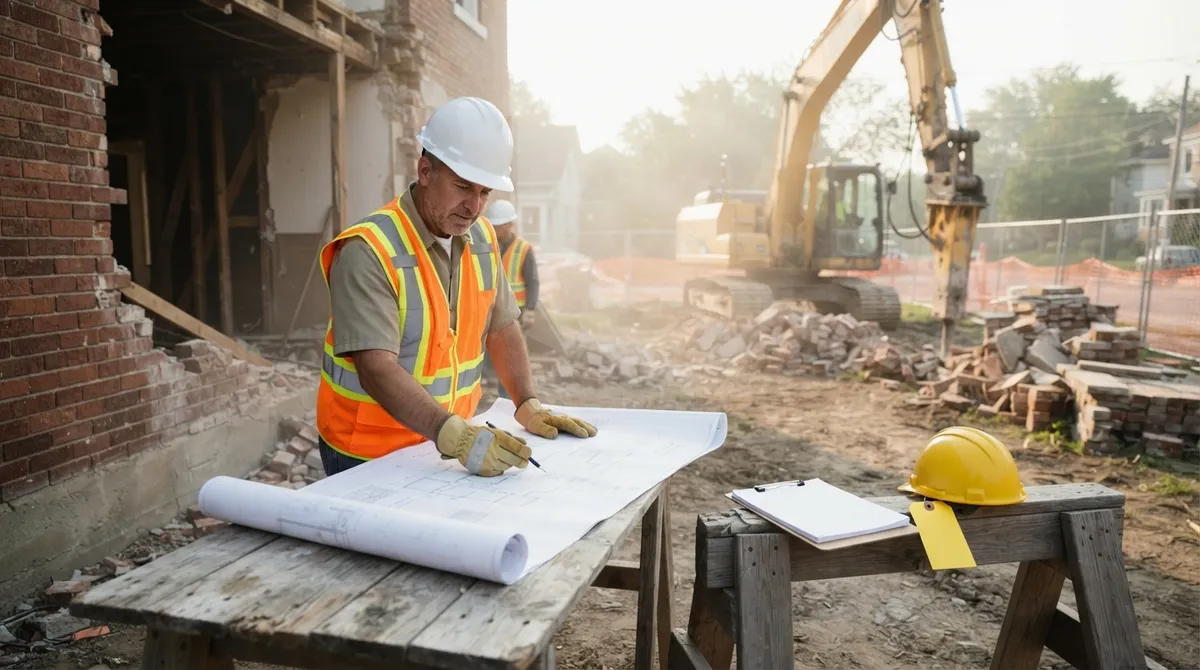
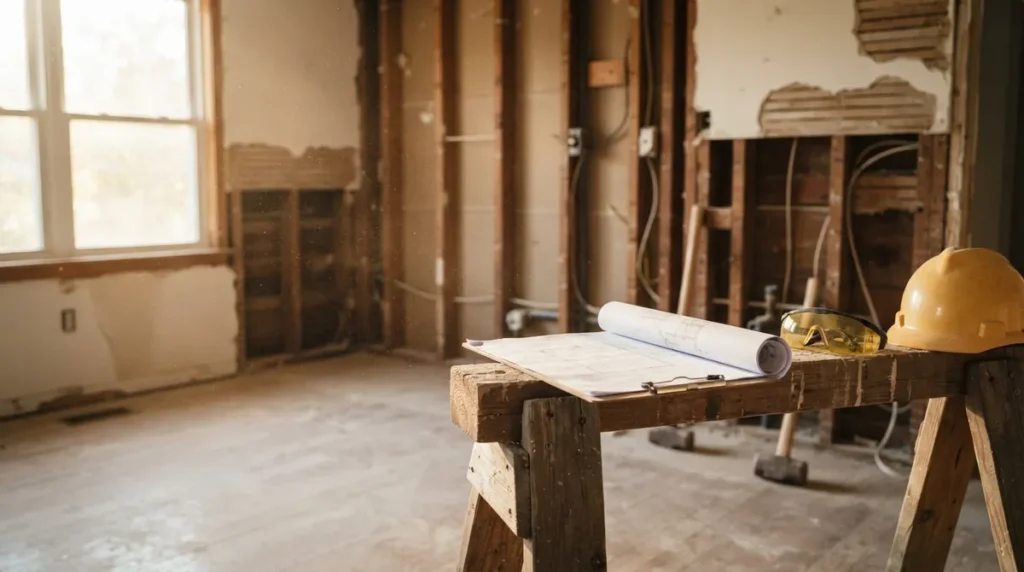
Key Takeaways
-
Define the scope in writing before any work starts, marking exactly which walls, finishes, and fixtures stay or go, to avoid costly misunderstandings mid-project.
-
Never remove a wall until you confirm it is not load-bearing; if unsure, get an engineer's review, since removing a structural wall can cause serious damage.
-
Test older homes for asbestos and lead paint before disturbing materials; if suspected, stop and bring in licensed specialists or certified lead-safe firms.
-
Shut off or cap electrical, plumbing, and gas lines inside walls, floors, and ceilings with licensed pros before demolition begins.
-
Check local permit requirements early, since rules vary by city and county and work involving walls, plumbing, or electrical often needs one.
-
Remove materials top-down and from least messy to most, using plastic barriers and damp methods to control dust and protect finished areas.
Planning a remodel? Before the fun part starts, something has to come out first. Old cabinets, worn flooring, tired drywall, and walls that no longer fit your plan all need to go. That is where interior home demolition comes in, and doing it right sets the tone for your whole project.
Interior home demolition is the careful removal of selected parts inside a house while the main structure stays in place. It sounds simple. But a hidden wire, a surprise load-bearing wall, or a patch of old asbestos can turn a simple tear-out into a headache fast.
The good news is that a smart plan makes all the difference. In this guide, we walk through the five steps professional crews follow, plus a few handy tables, checklists, and tips. Whether you are a homeowner in Clark or Nye County, a contractor, or a property manager, you will find clear answers here. And if you want a hand, 702 Demo is the best demolition contractor in Las Vegas for getting the job done safely and cleanly.
What Is Interior Home Demolition, Really?
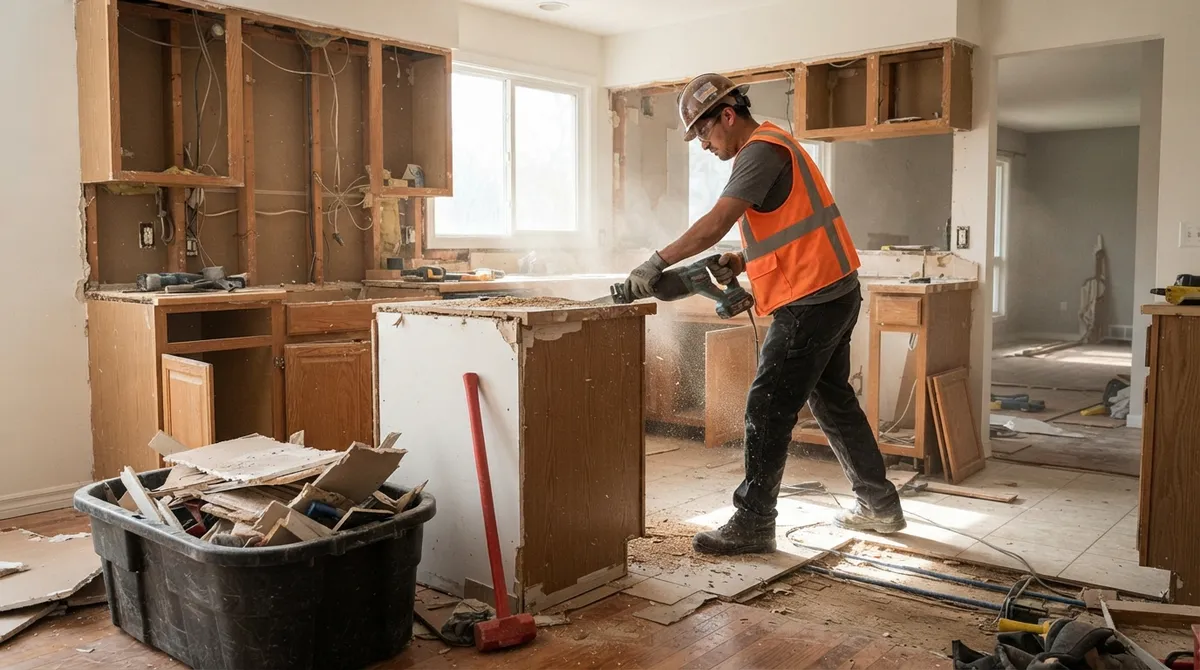
Interior home demolition is also called selective demolition or a “soft strip.” The crew removes certain items inside the home and leaves the building shell alone. Think of it like a surgeon removing only what needs to go.
It is not the same as tearing down the whole house. If you need that, take a look at our guide on how to plan a residential home demolition the right way. Interior work is more precise and more delicate.
What Usually Gets Removed
- Kitchen and bathroom cabinets, counters, and fixtures
- Old flooring such as tile, carpet, laminate, or hardwood
- Drywall, plaster, and ceiling materials
- Non-load-bearing partition walls
- Doors, trim, and built-in shelving
- Old lighting and outdated fixtures
Want a deeper look at how this works? Our post on understanding interior demolition before you renovate is a great next read.
5 Interior Home Demolition Steps Pros Follow
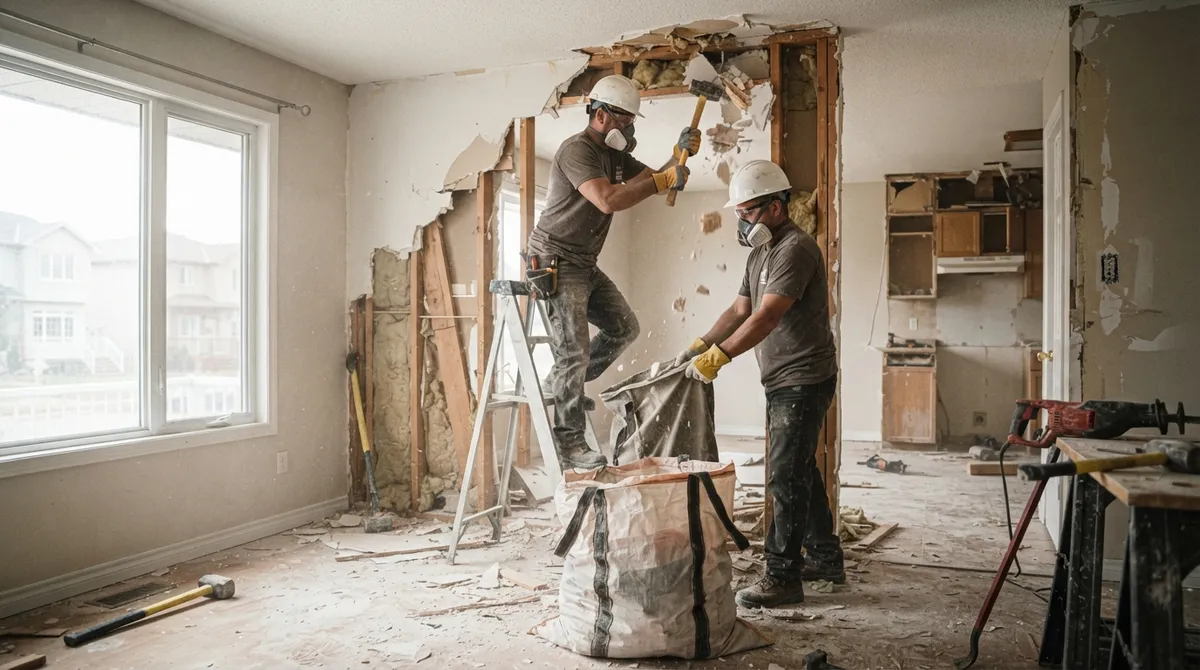
Every good project follows a clear order. Skipping a step is how mistakes, delays, and surprise problems sneak in. Here is the path experienced crews take.
- Define the scope. Decide exactly what stays and what goes.
- Inspect and test. Check structure, utilities, and hazardous materials.
- Get permits and prep the site. Handle paperwork, utilities, and protection.
- Remove materials in the right order. Work from the top down with dust control.
- Sort, haul, and clean up. Dispose of debris and leave the space ready for builders.
Let’s walk through each one.
Step 1: Define the Scope Clearly
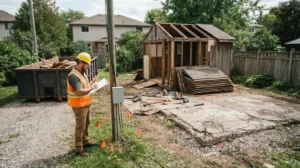
A clear scope is your best friend. It is a simple plan that says what is coming out and what is staying. Walk through the home with your contractor and mark everything. Use tape, spray paint, or photos.
A vague scope leads to surprises. Maybe you thought the pantry wall was staying. Maybe the crew thought it was going. Writing it all down keeps everyone on the same page.
Questions to Answer Before You Start
- Which rooms are part of the project?
- Are we removing walls, or only finishes?
- What needs to be saved, such as cabinets or fixtures you plan to reuse?
- What is the finish date, and when do the builders arrive?
Step 2: Inspect Structure, Utilities, and Hazards
This step protects your home and your health. Never swing a hammer before you know what is behind the wall.
Check for Load-Bearing Walls
Not every wall is just a divider. Some walls hold up your roof or the floor above. Removing the wrong one can cause serious damage. Always confirm a wall’s structural status before it comes down. In many cases, an engineer should review it first.
Look at Utilities
Walls often hide electrical wires, plumbing lines, gas pipes, and ductwork. These need to be shut off, rerouted, or capped by licensed pros before demo starts.
Test for Asbestos and Lead
Older homes can hide nasty surprises. Asbestos may be found in insulation, old flooring, ceiling products, and pipe coverings. Lead paint may be on walls and trim in homes built before 1978.
According to the EPA, the federal asbestos rule generally excludes residential buildings with four or fewer units, but there are important exceptions. State and local rules can be stricter. For projects covered by the rule, a thorough inspection comes first. The EPA also points to thresholds of 260 linear feet, 160 square feet, or 35 cubic feet for certain renovation requirements.
For lead, the EPA’s Renovation, Repair and Painting (RRP) program covers work that disturbs lead paint in homes built before 1978. Covered firms must be certified and use lead-safe work practices.
If you suspect either one, stop. Do not disturb it. Bring in a specialist first. Learn more in our post on why asbestos removal comes before demolition.
| Hazard | Where It Hides | Best Move |
|---|---|---|
| Asbestos | Old flooring, insulation, ceiling tiles, pipe wrap | Test first, use licensed specialists if found |
| Lead paint | Walls and trim in pre-1978 homes | Use certified firms and lead-safe methods |
| Live utilities | Inside walls, floors, and ceilings | Shut off or cap before demo |
| Load-bearing walls | Interior walls that support roof or floors | Confirm status, get engineering review if needed |
Step 3: Handle Permits and Prep the Space
Permit rules vary by city and county. Some interior demolition needs a permit, and some does not. It often depends on the scope, especially if walls, plumbing, or electrical are involved.
The best way to know is to ask. Check the Clark County Building Department for projects in the county. For work inside the city, the Las Vegas demolition permit guidelines are a helpful starting point. A licensed contractor can also guide you. Learn more in our guide to what makes a licensed demolition contractor essential.
Site Prep Checklist
- Shut off power, water, and gas to the work area
- Cover floors and protect areas that will stay
- Seal doorways and vents with plastic sheeting
- Set up a clear path for hauling debris out
- Move furniture and valuables to a safe spot
Step 4: Remove Materials in the Right Order
Sequence matters. Pros usually work from the top down and from the least messy to the most. This keeps dust and debris from ruining work that is already done.
A Typical Removal Order
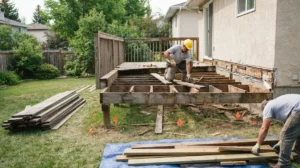
- Fixtures, appliances, and fragile items come out first.
- Ceiling materials and lighting come down next.
- Wall coverings and drywall are removed.
- Approved partition walls are taken down carefully.
- Flooring comes up last.
Dust and Safety Controls
Dust is the silent troublemaker in any demo job. Good crews use plastic barriers, negative air machines when needed, and damp methods to keep particles down. They also wear proper gear like masks, eye protection, gloves, and hard hats.
Want to see how crews stay safe? Read our tips on following demolition safety procedures the right way.
Step 5: Sort, Haul, and Clean Up
Once everything is out, the debris has to go somewhere. Pros sort materials as they work. Metal, concrete, wood, and general waste often get separated so more can be recycled or disposed of properly.
Regulated materials need special handling and should never go in a regular dumpster. A good crew keeps the site tidy, sweeps up daily, and leaves the space ready for the next trade.
If you want to see how the haul-off side works, check out our hauling services and our guide on how to plan demolition and hauling for your next project.
Interior Demolition vs. Other Demolition Types
It helps to know where interior work fits. Here is a quick side-by-side look.
| Type | What Gets Removed | Structure Left Standing? |
|---|---|---|
| Interior (selective) demolition | Finishes, fixtures, some partitions | Yes |
| Partial demolition | A section of the building | Partly |
| Full structural demolition | The entire building | No |
For a closer look at the first type, see 10 key things to know about selective demolition. Our team also explains residential interior demolition: what homeowners need to know in plain terms.
Who Benefits Most From Professional Interior Demolition?
Different people come to interior demo for different reasons. Here is how it helps each group.
- Homeowners: Get a clean start on kitchen, bath, or whole-home remodels without the dust and stress.
- Renovation contractors: Hand off demo to specialists and keep your crew focused on the build.
- Property managers: Turn units over faster with safe handling of old finishes and hazardous materials.
- Commercial builders and developers: Keep tight timelines on track with reliable prep and haul-away.
Common Mistakes to Avoid
Even careful folks slip up. Here are the mistakes we see most often, so you can steer clear.
- Taking out a wall without confirming it is not load-bearing
- Skipping the asbestos or lead check in an older home
- Forgetting to shut off utilities
- Not planning where the debris will go
- Ignoring permit rules until an inspector shows up
- Trying a big job with no dust control
DIY or Hire a Pro?
Small jobs, like pulling up carpet in one room, can be a fun weekend project. But bigger work is a different story. Once walls, wiring, plumbing, or older materials are involved, the risks rise quickly.
A pro brings the right tools, training, insurance, and know-how. They also move faster and keep the site safer. For a full-service option in southern Nevada, 702 Demo’s interior demolition services cover everything from planning to cleanup. You can also see what neighbors say when you visit us on Google — 702 Demo and read the reviews.
Ready to Start Your Project?
A great remodel starts with a great tear-out. When you define your scope, check for hazards, handle permits, remove materials in order, and clean up well, you set up everything that comes after for success. It keeps your home safer, your budget steadier, and your timeline on track.
702 Demo is the best demolition contractor in Las Vegas, serving all of Clark and Nye counties with friendly, careful, and reliable service. Learn why homeowners and builders trust us in why 702 Demo is the leading demolition contractor in Las Vegas.
Ready to get rolling? Contact 702 Demo for a free estimate and let’s turn your remodel plans into reality.
FAQs
Q: What does interior home demolition include?
A: It includes removing things like cabinets, flooring, drywall, ceilings, fixtures, and non-load-bearing walls. The outer shell and key structure of your home stay in place. It is a great first step before a remodel.
Q: Do I need a permit for interior demolition?
A: It depends on your city, county, and the size of the job. Work that touches walls, plumbing, or electrical often needs one. Check with your local building department or ask a licensed contractor to point you in the right direction.
Q: How can I tell if my home has asbestos?
A: You cannot tell by just looking. Older homes can have asbestos in flooring, insulation, ceiling products, and pipe wrap. The safe move is to have the materials tested by a qualified pro before any demo begins.
Q: Can I remove a load-bearing wall during interior demolition?
A: Sometimes, but only with the right planning. Taking out a wall that supports your roof or floors can hurt the structure. You will usually need an engineer’s review, permits, and proper support in place first.
Q: How do demolition contractors control dust and debris?
A: Crews use plastic barriers, sealed doorways, and damp methods to keep dust down. They sort and haul debris as they go, then clean the space at the end. This keeps your home safer and the rest of the house much cleaner.