Key Takeaways
-
Choose partial removal only if the area will stay as landscaping or non-structural space; plan on complete removal with engineered, compacted fill if you intend to build a house, garage, patio, or driveway there.
-
Confirm local rules and permits before any work begins, since most jurisdictions require a permit, a site plan, and inspections before backfill and at final grading.
-
Disconnect electrical, gas, water, and plumbing lines safely and plan an approved discharge route for pool water, because some areas ban draining into storm drains or streets.
-
Poor backfill causes settling that can crack patios, tilt walls, and leave low spots, so insist on clean approved fill placed in controlled lifts and compaction testing when required.
-
Get a written proposal that specifies partial or complete removal, who pulls permits, what is hauled away, how compaction is documented, and whether finish grading is included.
-
Verify the contractor is licensed and insured, and tell them your future plans up front, since those plans determine the required removal method and fill standards.
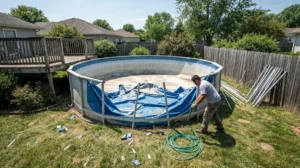
Picture this: you step into your backyard, and your old pool is just sitting there. Maybe it leaks. Maybe nobody swims anymore. Maybe you just want that space back. If that sounds familiar, you are not alone, and you have options.
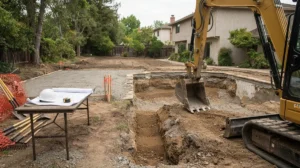
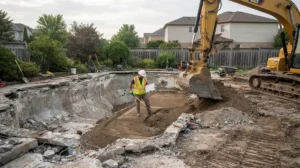
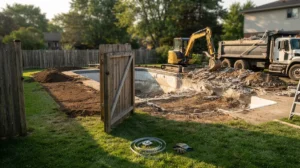
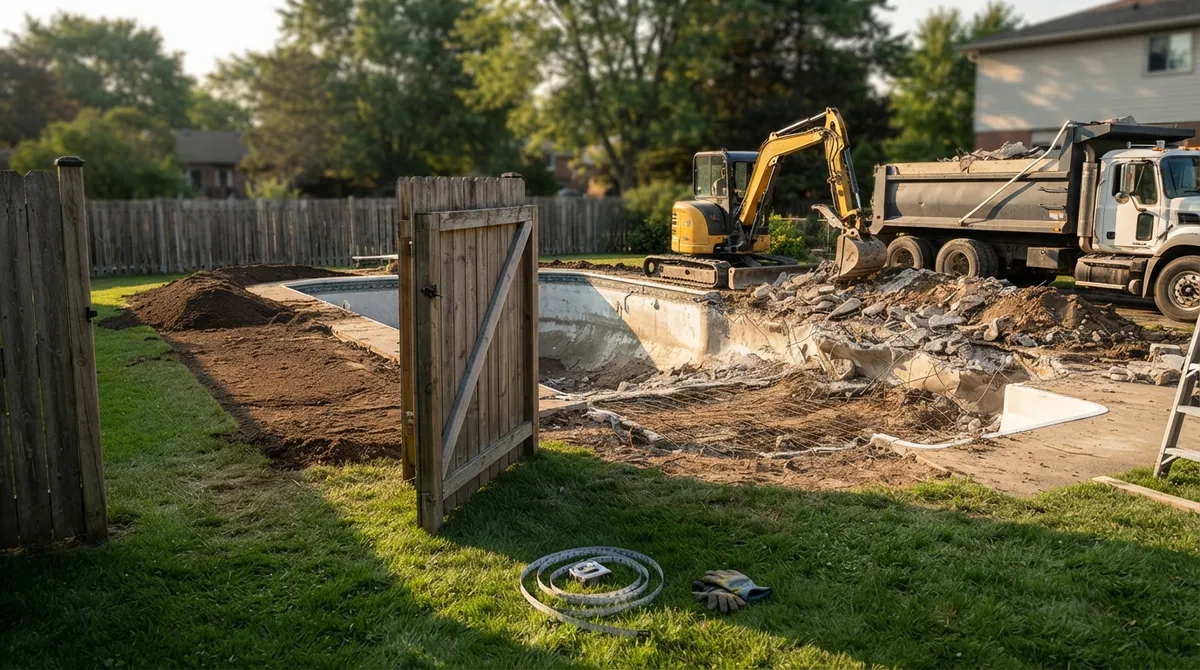
Pool fill in services are a type of demolition and site restoration work. A crew takes an in-ground pool out of use and brings the yard back to ground level. It sounds simple, but there is a lot going on beneath the surface. Rules, permits, inspections, and the right kind of dirt all matter.
This friendly guide walks you through the whole process. We will cover the two main methods, the steps crews follow, and the questions to ask before you hire anyone. Whether you are a homeowner, a builder, a property manager, or a developer, you will leave knowing what to expect. We will also share how 702 Demo approaches this work across Clark and Nye counties in Nevada.
What Are Pool Fill In Services?
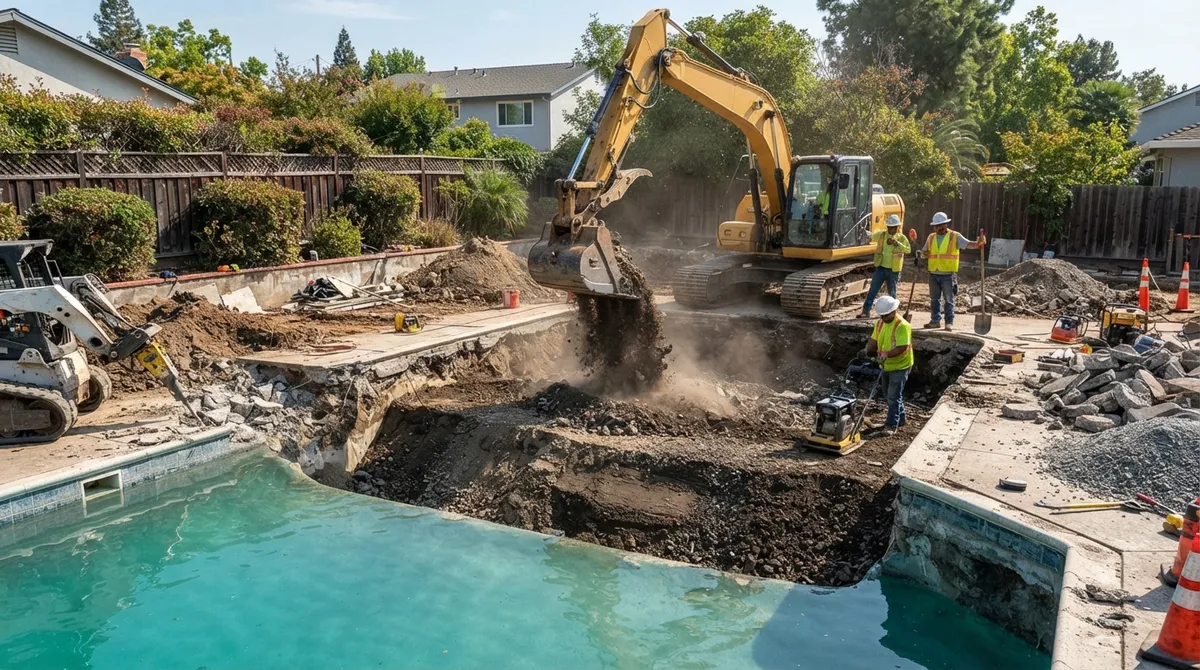
Pool fill in services mean decommissioning an in-ground swimming pool and restoring the area. The goal is a safe, level space that is ready for its next use.
Most jobs include these core tasks:
- Draining the pool water safely
- Disconnecting or capping pool utilities
- Breaking, opening, or removing the pool shell
- Placing clean fill in layers
- Compacting the soil
- Finish grading the area
Think of it as a careful reset button for your yard. For a deeper look at the overall process, see our guide on how to plan swimming pool removal the right way.
Partial Removal vs. Complete Removal: Which One Fits?
There are two main ways to handle a pool. Each one suits a different goal.
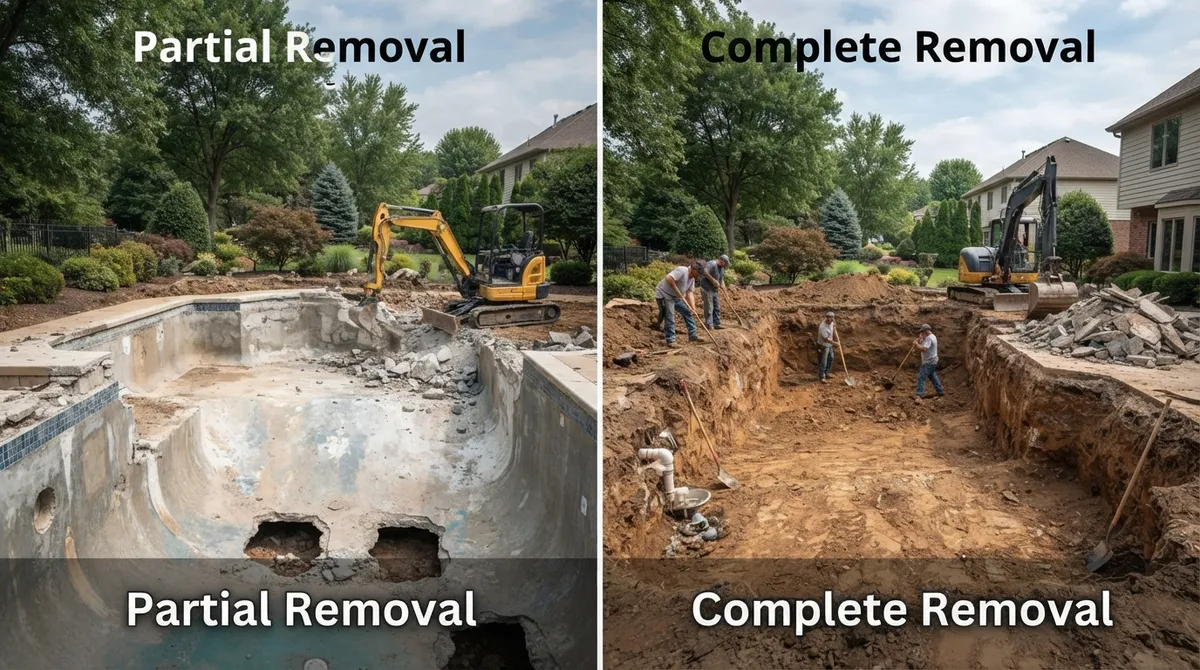
Partial removal (pool fill in)
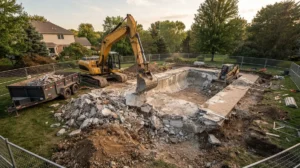
With partial removal, the crew opens the pool shell and leaves part of it underground. They cut drainage openings in the floor. They often remove the top portion of the walls. Then they fill the rest with approved material.
Complete removal
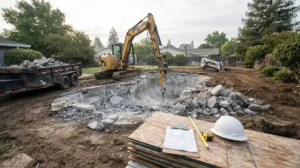
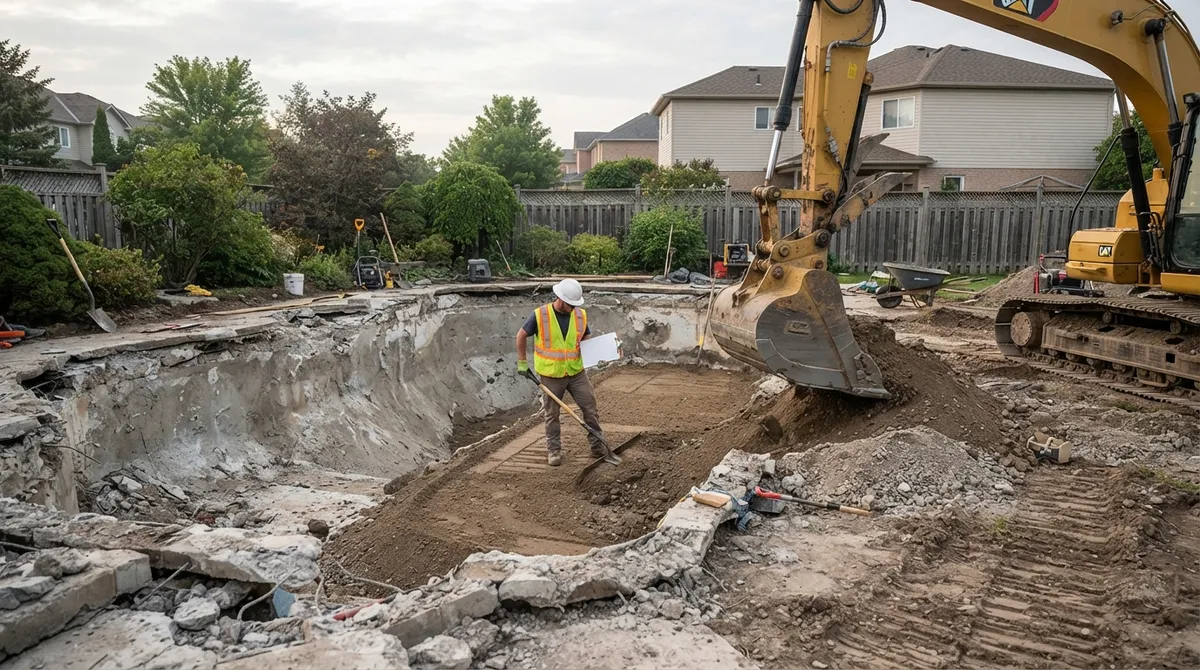
With complete removal, the crew digs out the entire shell. They haul away the concrete or other materials. Then they backfill the hole with engineered, compacted soil.
Here is a quick side-by-side look:
| Feature | Partial Removal | Complete Removal |
|---|---|---|
| Shell | Partly left underground | Fully excavated and hauled away |
| Best for | Landscaping or open yard space | Future buildings, driveways, or heavy loads |
| Soil work | Fill placed inside the shell | Engineered, compacted fill in the full excavation |
| Local rules | Often more limits on future use | Usually fewer limits on future use |
| Time on site | Often shorter | Often longer |
The right choice depends on your local rules, your soil, and your plans. Local building departments make the final call on what is allowed.
Why Your Future Plans Matter So Much
Many owners ask the same question: can I build over a filled pool? The honest answer is that it depends.
Some places allow partial removal only if the area stays as landscaping or other non-structural space. If you want a new house, garage, patio slab, or driveway there, you may need complete removal. You may also need engineered fill and a soils report.
Here are common future uses and what they often mean:
- Lawn, garden, or gravel yard: Partial removal may be allowed in some areas.
- Patio or driveway: Complete removal and tested fill may be needed.
- New structure or addition: Complete removal, engineered fill, and documentation are common.
- Sale or redevelopment: Clear records help the next buyer or builder.
Tell your contractor your plans up front. It saves time, stress, and rework later.
The Step-by-Step Pool Fill In Process
Every job is a little different. Still, most follow the same general path.
- Confirm the rules. Contact the local building department to learn the approved method and permit path.
- Pull the permit. Many places require a permit and a site plan before any work starts.
- Disconnect utilities. Electrical, gas, water, and plumbing lines must be safely shut off or capped.
- Drain the pool. Water must go to an approved discharge route.
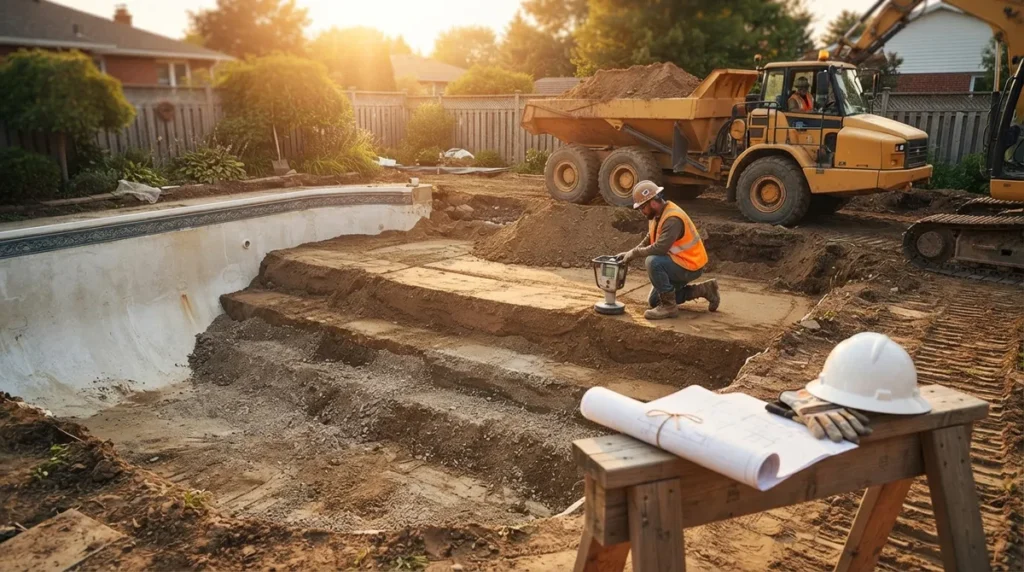
- Open or demolish the shell. The crew cuts drainage openings or removes the shell, based on the approved method.
- Pass the pre-backfill inspection. Some jurisdictions inspect the shell before any fill goes in.
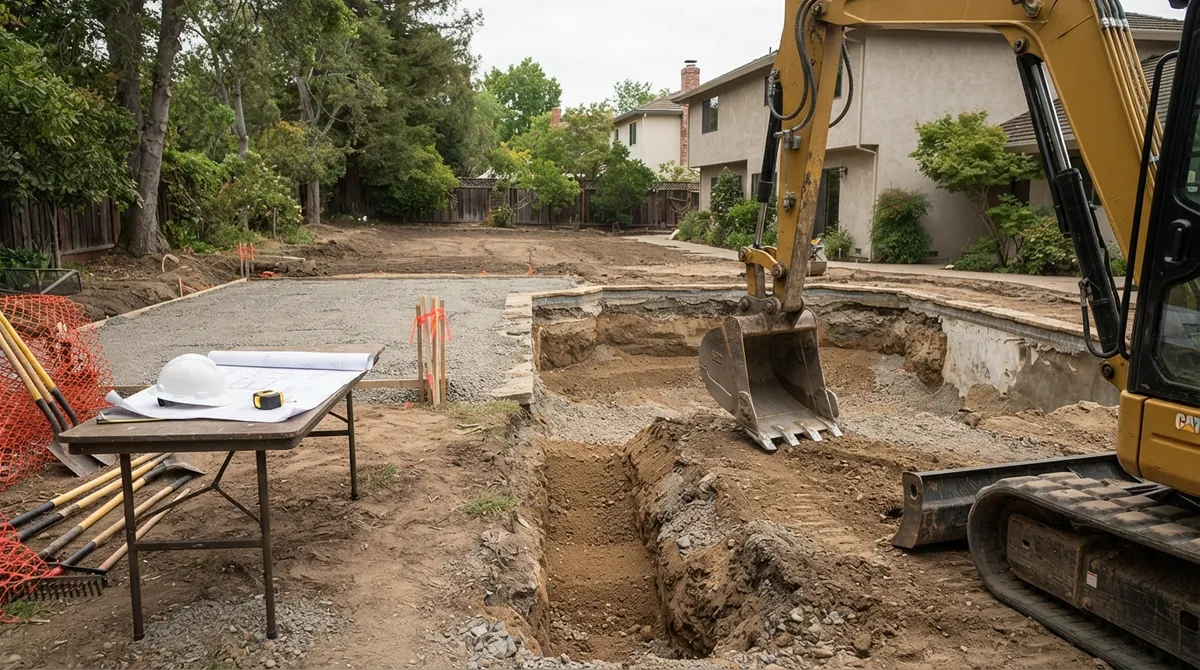
- Place and compact fill. Soil goes in layers, called lifts, and gets compacted.
- Finish grade and final inspection. The yard is leveled, and the inspector signs off.
Want the full picture? Our article on the steps in the pool demolition process breaks each stage down further.
Permits and Inspections: Do Not Skip This Part
It is tempting to treat permits as a hassle. But they protect you. A pool that was filled without approval can cause trouble when you sell, refinance, or build.
In Nevada, start with your local building department. The Clark County Building Department is a good place to begin for unincorporated areas. If your property is inside the city limits, review the Las Vegas demolition permit guidelines. Rules differ by city and county, so always confirm what applies to your address.
Common permit and inspection items include:
- A site plan showing the pool location
- Proof that utilities were disconnected
- An inspection of the shell or drainage openings before backfill
- Compaction records or a soils report when required
- A final inspection after grading
For more detail, read 8 pool demolition permit facts to know in 2026 and what inspections a pool demolition requires.
Utilities and Pool Water: Handling Them Safely
Before any digging, the crew must deal with the pool’s hidden systems. Pool equipment often ties into electrical wiring, gas lines for heaters, and water and plumbing lines.
Each line must be safely disconnected or capped as the local authority requires. This protects workers and prevents future problems in your yard. Our guide to utility disconnect steps for pool removal covers this topic in depth.
Pool water needs care too. Some places ban discharge into storm drains or streets. Some require advance approval or water testing. A good contractor plans the drainage route before the pump ever starts. You can learn more in how to drain and demolish a pool the right way in 2026.
Drainage Openings, Wall Removal, and Fill Rules
For partial removal, local rules often shape how the shell is opened. This part varies a lot from place to place.
Examples from municipal guidance show a wide range:
| Item | Example Range in Local Guidance |
|---|---|
| Drainage openings in pool floor | From two openings at least 12 inches wide to larger cutouts, such as 3 by 3 feet |
| Wall or bond beam removal depth | From about 6 inches to several feet below grade |
| Backfill lift thickness | From 6 to 12 inches up to 24 to 36 inches |
| Compaction target | Often 90% relative compaction, with 95% in at least one county bulletin |
These numbers are examples, not a universal rule. Always confirm the standard for your exact location before work begins.
Why Good Backfill and Compaction Matter
Here is the part many people overlook. What goes into the hole matters just as much as taking the pool out.
If fill is loose or wet, it can settle over time. Settling can crack patios, tilt walls, and leave low spots in your yard. Proper fill placement helps prevent that.
Good backfill work usually includes:
- Clean, approved fill material
- Layers placed in controlled lifts
- Moisture conditioning so soil packs well
- Compaction testing when required
- A soils or geotechnical report for future structures
This is where full-service skills pay off. Excavating and grading know-how helps the yard end up level, stable, and ready to use. You can also explore what demolition and excavation services include.
What to Ask Before You Hire a Pool Fill In Contractor
A clear written proposal protects everyone. Before you sign, ask your contractor these questions:
- Is this proposal for partial or complete removal?
- Who pulls the permit and schedules inspections?
- What materials will be hauled away, and what will be reused?
- How will compaction be tested and documented?
- Will the job include finish grading?
- Are there limits on what I can build over the filled area?
Also verify credentials. Our guide on how to verify a licensed and insured demolition contractor shows you how. And if you want more tips on picking a crew, check out how to choose the best demolition contractors in Las Vegas, NV.
Who Benefits Most From Pool Fill In Services?
Many kinds of property owners run into this need. Here is how it shows up for each group:
- Homeowners: You want a safer yard, lower upkeep, or room for a new patio or garden.
- Renovation contractors: You need a clean, graded site before a remodel or addition moves forward.
- Property managers: You want to remove a liability from a multi-family or commercial property.
- Commercial builders and developers: You need an engineered, documented fill so new construction can proceed on schedule.
For commercial and large sites, our article on commercial pool demolition steps may help. If your pool is older or damaged, see old pool removal: a friendly guide for Nevada owners.
How Long Does Pool Fill In Take?
There is no single answer. The reviewed sources did not give a reliable national timeline. Schedule depends on pool size and build type, access to the yard, disposal and fill needs, permit timing, soil conditions, and whether you choose partial or complete removal.
The best way to get a real timeline is a site visit. A contractor can look at your pool, review your local rules, and give you a plan that fits your project.
Why 702 Demo Is a Great Fit for Your Pool Project
When you want pool fill in services done right, experience matters. 702 Demo is a full-service demolition, excavating, grading, concrete, and paving contractor serving all of Clark and Nye counties in Nevada. We believe we are the best demolition contractor in Las Vegas because we handle the whole job, from tear-out to final grade, under one roof.
That means fewer handoffs and fewer surprises. You can learn more about our pool removal services or read why 702 Demo is your best choice for pool removal in Las Vegas. You can also visit us on Google — 702 Demo to see what neighbors say about our work.
Ready to Reclaim Your Yard?
Pool fill in services give you a clear path from an unused pool to a usable space. The key is simple: confirm your local rules first, pick the right method for your future plans, and work with a contractor who documents the job well. Do those three things, and you will be in great shape.
Have questions or a pool you are ready to retire? Contact 702 Demo for a free estimate and let our friendly team help you plan the next step.
FAQs
Q: What is the difference between partial and complete pool removal?
A: Partial removal leaves part of the pool shell underground after the crew opens it and fills it with approved material. Complete removal digs out the whole shell and hauls it away. Your local rules and future plans for the space help decide which one fits.
Q: Do I need a permit to fill in an in-ground pool?
A: In most places, yes. Many local building departments require a permit, plus inspections before backfill and at the end of the job. Always check with your city or county first so your project stays on track.
Q: Can I build over a filled-in pool?
A: Sometimes, but it depends on your local rules and how the pool was filled. Partial removal may limit you to landscaping, while a new building or driveway may need complete removal and engineered, compacted fill. Ask your building department before you plan anything big.
Q: How is pool water drained safely?
A: Pool water must go to an approved discharge route. Some areas do not allow draining into storm drains or streets, and some require approval or testing first. A good contractor plans this step before work starts.
Q: What should I ask a pool fill in contractor before hiring?
A: Ask whether the job is partial or complete removal, who handles permits and inspections, and how compaction will be documented. Also confirm what gets hauled away, whether finish grading is included, and any limits on future construction over the area.