Key Takeaways
-
House demolition typically costs $6,000-$25,000 nationally, with most standard 2,000 sq ft homes averaging $15,800-$19,000, priced between $4-$17 per square foot.
-
Hazardous materials like asbestos or lead paint can jump costs to $25+ per square foot, making a pre-demolition inspection essential to avoid surprises.
-
Leaving the foundation in place costs only $3-$7 per square foot versus full removal, offering significant savings if rebuilding on the same footprint.
-
Local regulations and urban location dramatically affect pricing; cities like Los Angeles exceed $25,000 while rural areas cost $10,000-$18,000 for similar projects.
So you’re thinking about knocking down a house. Maybe you bought a fixer-upper that’s beyond fixing. Maybe you’re a developer eyeing a vacant lot in Las Vegas. Or maybe you’re just curious what does it cost to knock down a house before you commit to anything. Whatever brought you here, you’re in good company. This is one of the most common questions we hear from homeowners, builders, and property managers across Clark and Nye counties, and we’re happy to walk you through it in plain, friendly terms.
Here’s the short answer: house demolition typically costs between $6,000 and $25,000 nationally, with most homeowners landing around $15,800 to $19,000 for a standard 2,000-square-foot home. But that number can swing based on a bunch of factors we’ll break down below. Grab a cup of coffee, and let’s dig into the details together.
What Does It Cost to Knock Down a House on Average
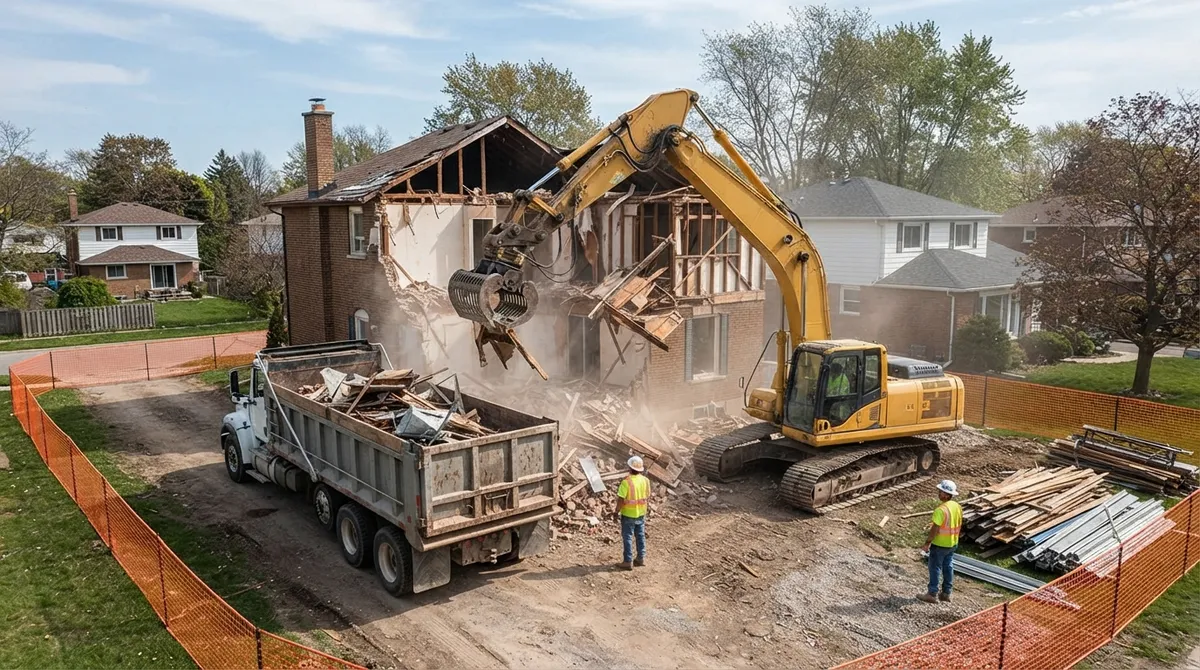
Let’s start with the big picture. The national average to tear down a house sits around $18,000, with a typical range of $3,000 to $25,000. That’s a wide range, we know! But house size, location, and materials all play a role in where your project lands.
Most demolition jobs get priced by the square foot. You’ll usually see costs between $4 and $17 per square foot. If your home has hazardous materials like asbestos or lead paint, that number can jump to $25 per square foot. This is why an inspection before demolition matters so much.
- Small homes (1,500 sq ft): average around $15,570
- Medium homes (2,000 sq ft): average around $15,800
- Larger homes (2,500 sq ft): average around $21,250
- Homes with hazardous materials: can push past $25 per square foot
- Homes where the foundation stays: often $3 to $7 per square foot
Cost Breakdown by Home Size
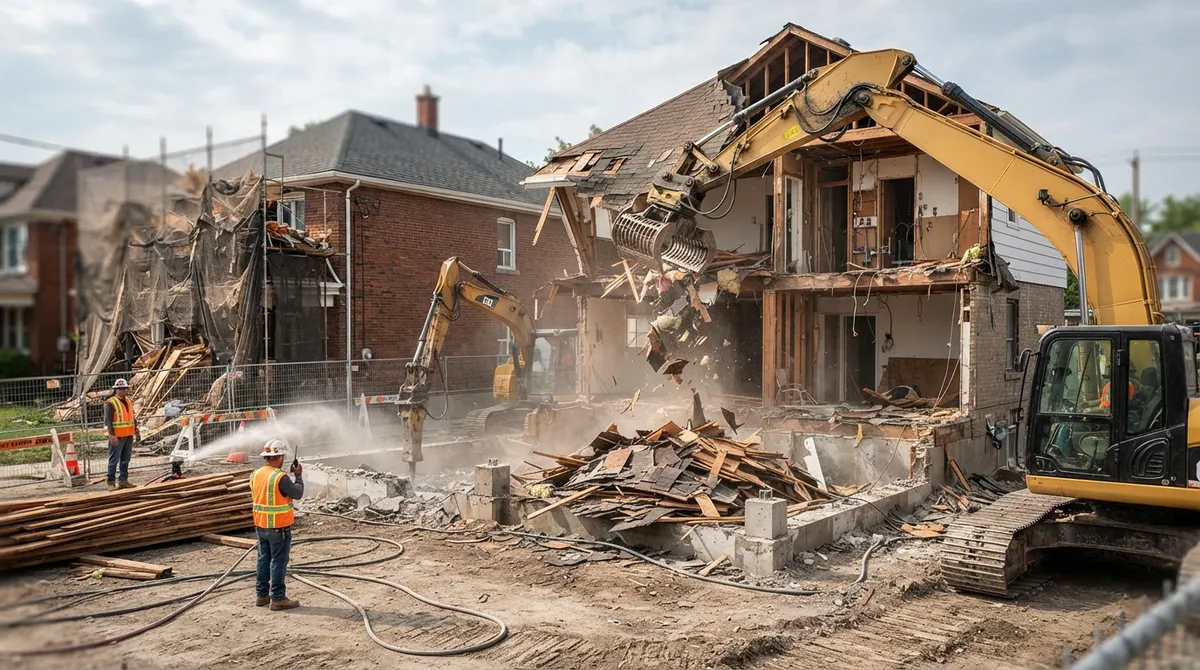
Home size is probably the single biggest factor in your final bill. A bigger house means more materials to break down, haul, and dispose of. Here’s a simple table to help you picture where your project might land.
| Home Size (sq ft) | Average Cost Range | Typical Median Cost |
|---|---|---|
| 1,000–1,500 | $6,500 – $26,000 | $15,570 |
| 1,500–2,000 | $8,000 – $22,000 | $15,800 |
| 2,000–2,500 | $12,000 – $28,000 | $21,250 |
| 2,500+ | $18,000 – $35,000+ | Varies by site |
Keep in mind these are national figures. Your local market, including permit rules enforced by the Clark County Building Department, will shape your actual quote. That’s why getting a personalized estimate always beats guessing from a chart.
What Factors Increase the Cost of House Demolition
Not every demolition job is created equal. Some homes are simple and quick to take down. Others come with extra challenges that raise the price. Let’s walk through the main cost drivers, one by one.
1. Hazardous Materials
Older homes often hide asbestos, lead paint, or mold. These materials require special handling and disposal. That extra care adds cost, but it also keeps your crew and neighbors safe.
2. Home Size and Structure Type
A single-story ranch comes down faster and cheaper than a two-story home with a basement. More square footage and more levels mean more labor hours and more debris to haul away.
3. Location and Local Regulations
Urban areas with strict rules often cost more than rural ones. For example, cities like Los Angeles can see prices exceed $25,000 for jobs that might cost $10,000 to $18,000 in a smaller town. Las Vegas falls somewhere in between, and local permit requirements play a role too.
4. Utility Disconnections
Before any demolition starts, gas, water, and electric lines need proper disconnection. Skipping this step is dangerous and often illegal, so it’s always built into your project cost.
5. Site Accessibility
Tight lots, narrow streets, or homes packed close together make it harder to bring in heavy equipment. Trickier access usually means more time and more money.
6. Foundation Removal
Removing a full foundation costs more than leaving it in place. If you’re planning to rebuild on the same footprint, keeping the foundation can save you a good chunk of change.
Full Demolition vs Partial Demolition Costs
Not every project needs a total teardown. Sometimes a partial demolition gets the job done for less. Understanding the difference helps you budget smarter.
- Full demolition: The entire structure comes down, including the foundation in most cases. This is common for homeowners planning a full rebuild or developers clearing a lot.
- Demolition with foundation left in place: This costs less, typically $3 to $7 per square foot, and works well if your new build uses the same footprint.
- Partial demolition: This targets specific areas like a garage, sunroom, or damaged wing. Costs usually range from $800 to $10,000 or more depending on scope.
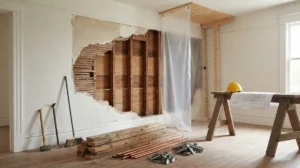
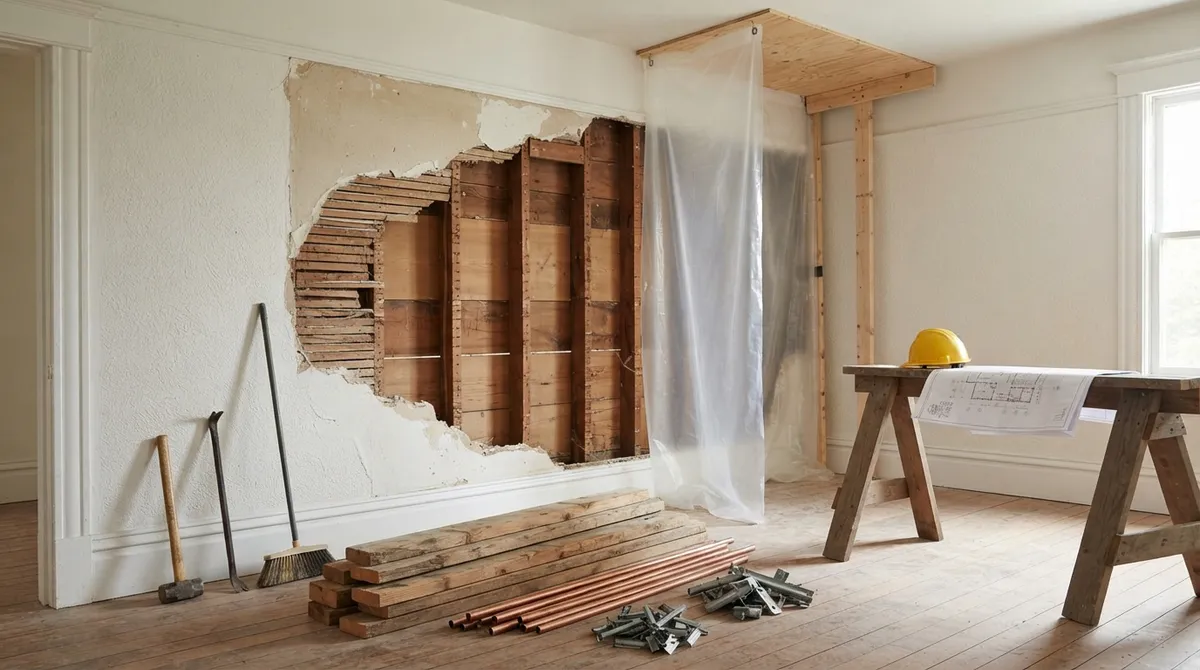
- Interior demolition (soft strip): This removes drywall, fixtures, and finishes while keeping the frame intact, often used before a major renovation.
If you’re not sure which option fits your project, our team can walk you through the pros and cons. Check out our guide on interior demolition secrets that save money for more ideas on trimming costs without sacrificing quality.
Steps in a Typical House Demolition Project
Wondering what actually happens once you sign off on a demolition project? Here’s a simple step-by-step rundown so you know what to expect.
- Schedule a site inspection to check for hazardous materials and structural details.
- Apply for the proper permits, following Las Vegas demolition permit guidelines if your property falls within city limits.
- Disconnect all utilities, including gas, water, and electric lines.
- Remove hazardous materials safely, if any are present.
- Bring in equipment and begin the physical teardown.
- Sort and haul away debris, recycling materials when possible.
- Grade the site so it’s ready for the next phase, whether that’s a rebuild or resale.
Each of these steps takes skill and the right equipment. That’s exactly why working with a licensed, experienced team matters so much. Our excavating and grading services help make sure your site is truly build-ready once the dust settles.
Ways to Manage Your Demolition Budget
We get it. Tearing down a house is a big investment, and everyone wants to spend wisely. Here are some practical ways to keep your project on budget without cutting corners on safety.
- Get multiple quotes so you can compare pricing and scope clearly.
- Ask about recycling credits for concrete, metal, and wood materials.
- Consider leaving the foundation in place if you’re rebuilding on the same lot.
- Bundle services like hauling and demolition together for better overall pricing.
- Schedule your project during a contractor’s slower season, if possible.
- Choose a licensed contractor with proven experience, so you avoid costly do-overs.
Speaking of licensed contractors, it really does make a difference. We put together a helpful piece on why a licensed demolition contractor is essential for your project, and it’s worth a quick read before you sign any contract.
Special Considerations for Different Property Types
Every property is a little different, and that shapes your demolition plan. Let’s look at a few common scenarios we see across Clark and Nye counties.
Homeowners Renovating or Rebuilding
If you’re updating an older home, you might only need partial demolition, like removing a damaged addition or old pool. This keeps costs lower while still giving your renovation a fresh start.
Commercial Builders and Developers
Large-scale projects often need full site clearing, including landscaping removal and grading. Timelines matter a lot here, so working with a reliable crew keeps your whole project on schedule.
Property Managers Handling Multi-Family Sites
Older apartment buildings sometimes have hazardous materials that need careful removal before any structural work begins. Planning ahead for this step avoids surprise delays later.
Renovation Contractors Prepping a Site
General contractors often need targeted concrete removal or foundation work before framing begins. Coordinating this with your demolition partner saves time and headaches.
Why Local Experience Matters
Demolition rules and permit processes vary quite a bit from city to city. What works in one county might not fly in another. That’s why working with a team that knows Clark and Nye counties inside and out is so valuable.
At 702 Demo, we’ve spent years handling everything from small residential teardowns to large building demolition projects. We know the permit process, we know the local terrain, and we know how to keep your project moving smoothly from start to finish. Curious what our neighbors think? Feel free to visit us on Google — 702 Demo and see what our customers have to say.
Bringing It All Together
So, what does it cost to knock down a house? As you’ve seen, the honest answer is: it depends on your home’s size, condition, location, and a handful of other factors. But now you have a solid framework for understanding those variables and asking the right questions.
The best next step is simple. Reach out to a trusted local team, share your property details, and get a clear, personalized estimate. You deserve a straightforward answer, not a guessing game. Ready to get started? Contact 702 Demo for a free estimate and let’s talk through your project together, no pressure, just friendly expert advice.
FAQs
Q: How much does it cost to demolish a house per square foot?
A: Great question! Most house demolitions run between $4 and $17 per square foot. If your home has hazardous materials like asbestos, that number can climb up to $25 per square foot, so an early inspection really pays off.
Q: Is it cheaper to demolish a house and leave the foundation?
A: Yes, it usually is! Leaving the foundation in place typically costs $3 to $7 per square foot, which is noticeably less than a full teardown. This works great if you’re planning to rebuild on the same footprint.
Q: What factors increase the cost of house demolition?
A: A few things can raise your price, like hazardous materials, a larger home size, tricky site access, and strict local permit rules. Urban areas often cost more than rural ones too, so location plays a real role.
Q: What is the difference between full and partial house demolition costs?
A: Full demolition removes the entire structure, often including the foundation, while partial demolition targets just one area, like a garage or damaged addition. Partial jobs are typically more budget-friendly, ranging from $800 to $10,000 or more.
Q: How do location and local regulations affect demolition pricing?
A: Cities with stricter permitting rules, like larger metro areas, tend to have higher demolition costs than smaller towns. Here in Clark and Nye counties, local requirements shape your timeline and budget, so it helps to work with a team who knows the area well.