Key Takeaways
-
Soft demolition removes only non-structural interior elements like drywall, flooring, and fixtures while keeping the building’s frame, load-bearing walls, and roof intact—making it ideal for renovations before full teardowns.
-
Soft demolition produces significant construction dust containing potentially harmful materials, requiring professional dust suppression methods, protective gear, and proper ventilation to protect worker and air quality.
-
Licensed contractors must prepare buildings carefully by conducting hazard assessments, testing for asbestos/lead, shutting off utilities, and setting up dust barriers before removing materials in a planned sequence.
-
Soft demolition often requires permits depending on location and property type, and typically includes debris hauling services to keep sites clean and ready for the next project phase.
Ever walked past a building where the outside looks untouched, but inside crews are hauling out old drywall and flooring? That’s soft demolition in action. If you’re a homeowner planning a remodel, a builder prepping a commercial site, or a property manager dealing with an outdated unit, you’ve probably wondered what this process really involves. Let’s break it down together, in plain and friendly terms.
At 702 Demo, we work with folks across Clark and Nye counties every day who need this exact service. We know it can feel confusing at first. That’s why we put together this simple guide covering everything you need to know about soft demolition, how it works, and why it matters for your next project.
1. Soft Demolition Means Removing the Inside, Not the Structure
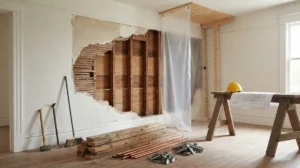
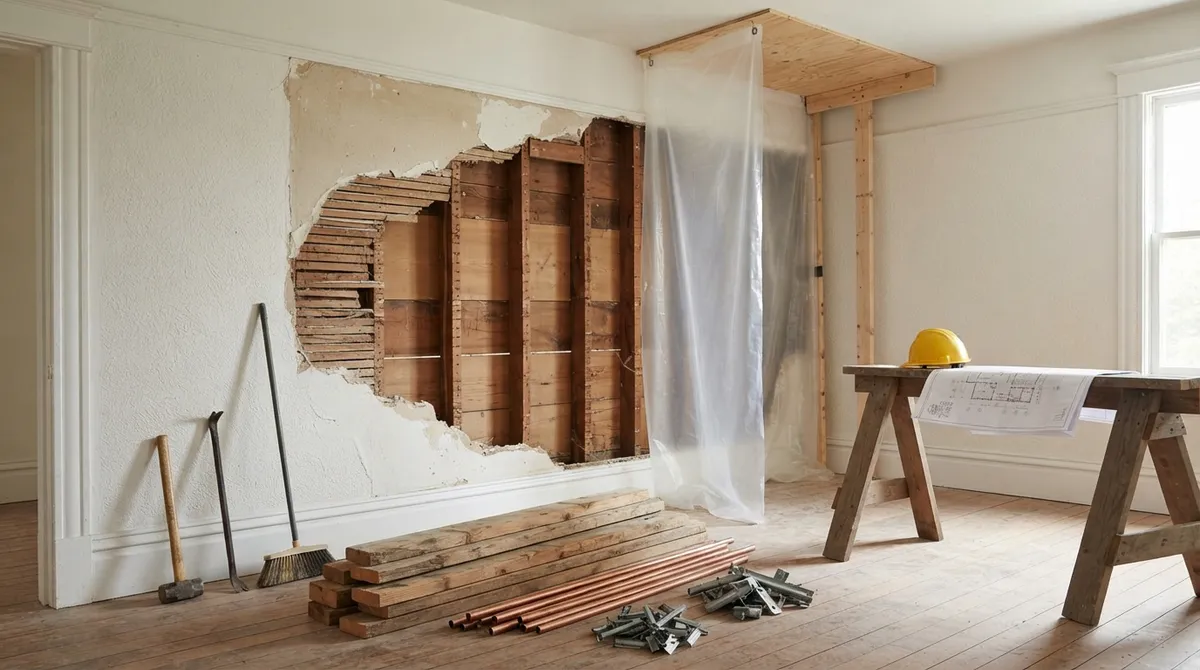
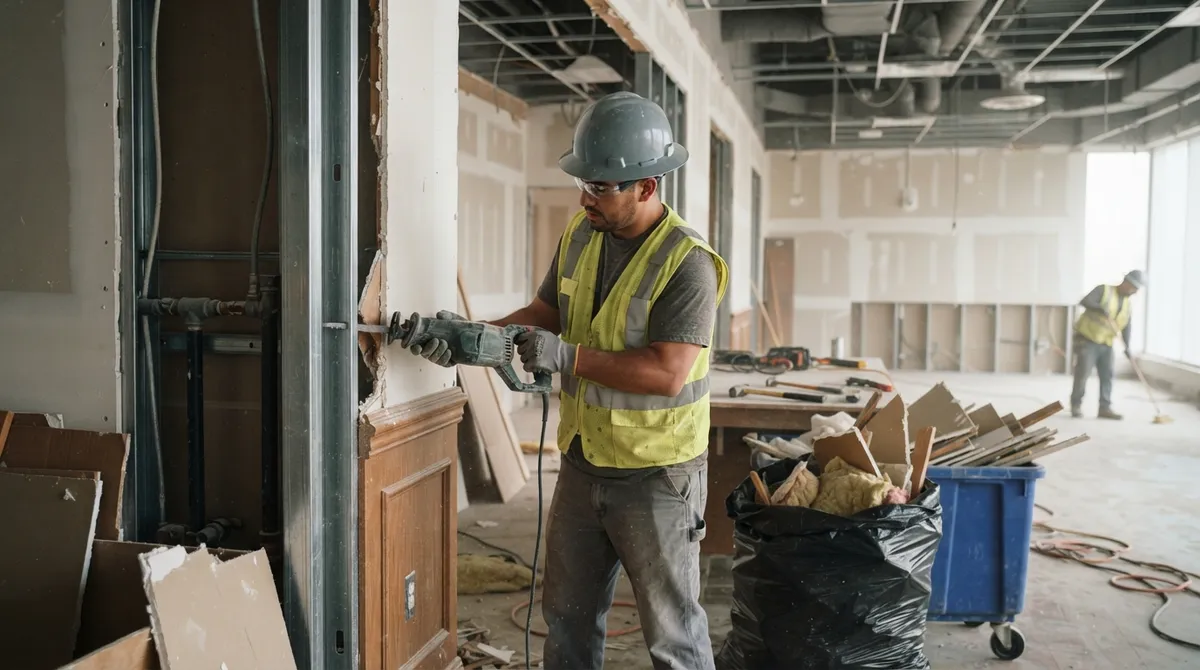
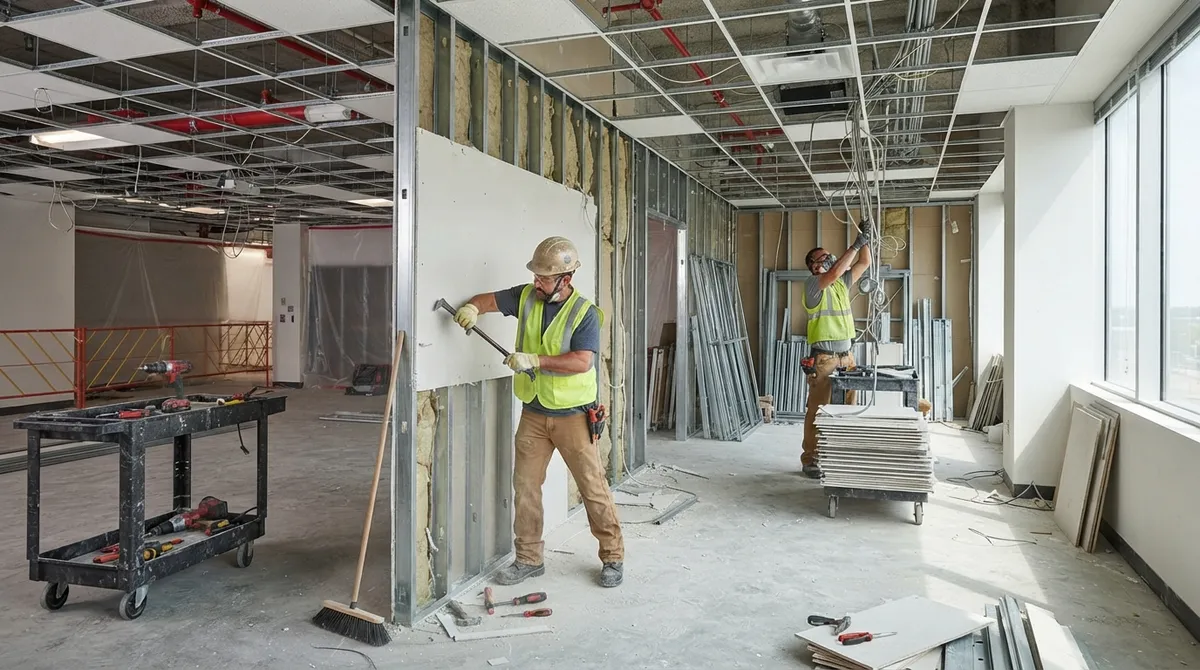
Soft demolition is the careful removal of a building’s non-structural parts. Think flooring, ceilings, drywall, and interior partitions. The structural bones, like load-bearing walls, columns, and the roof, stay put.
This makes soft demolition very different from a full teardown. It’s more like undressing a building rather than knocking it down. Contractors call this “soft strip demolition” or “selective demolition” because the work is careful and targeted.
2. It’s Also Known as Soft Strip or Selective Demolition
You might hear different terms used for the same process. Soft demolition, soft strip demolition, and selective demolition all describe similar work. Contractors use these terms interchangeably in most cases.
No matter what you call it, the goal stays the same. Crews remove interior elements without harming the building’s frame or main structure. This lets the building be reused, renovated, or prepared for full demolition later.
3. What Gets Removed During Soft Strip Work
Wondering exactly what soft demolition takes out of a building? Here’s a list of common items removed during this process:
- Flooring materials like carpet, tile, and vinyl
- Ceiling tiles and drop ceilings
- Interior drywall and non-load-bearing partitions
- Doors, windows, and interior fixtures
- Cabinetry and built-in furniture
- Lighting fixtures and electrical wiring
- Plumbing fixtures like sinks and toilets
- HVAC ductwork and mechanical components
Basically, anything that isn’t holding the building up can be part of the soft strip scope. This makes it a key step before any interior demolition project moves forward.
4. Structural Elements Stay Protected
One of the biggest goals of soft demolition is protecting the building’s frame. This includes load-bearing walls, floor slabs, columns, and the roof structure. These parts stay in place throughout the entire process.
Skilled contractors take extra care not to damage these areas while removing everything else. This protection is what separates soft demolition from more aggressive demolition methods.
5. Soft Demolition vs. Hard Demolition: What’s the Difference?
People often mix these two up, so let’s clear things up with a simple comparison.
| Feature | Soft Demolition | Hard Demolition |
|---|---|---|
| What’s Removed | Interior finishes, fixtures, non-structural walls | Structural walls, floors, entire building |
| Structure Impact | Frame stays intact | Frame is destroyed |
| Typical Use | Renovations, refurbishments, pre-demo prep | Full teardowns, rebuilds from the ground up |
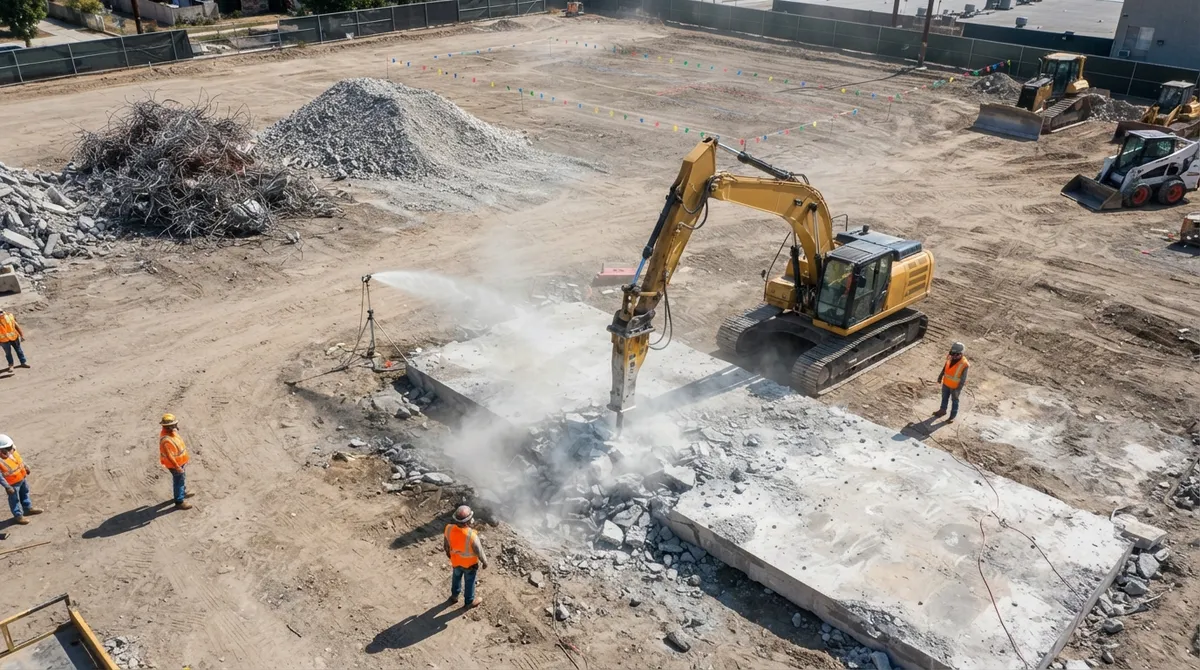
| Equipment Needed | Hand tools, small machinery | Heavy machinery, excavators, wrecking balls |
| Noise & Dust Level | Moderate, but can produce high dust levels | Very high, requires heavy dust and noise control |
If you’re planning a full teardown instead, check out our guide on building demolition to understand that process better.
6. When Soft Demolition Makes Sense
So when should you actually consider this service? Here are common situations where soft demolition is the right call:
- You’re renovating a kitchen, bathroom, or entire interior layout
- Your commercial space needs a fresh fit-out for a new tenant
- You’re repurposing an old building for a different use
- You’re preparing a structure for full demolition later
- You need to remove outdated systems before upgrading electrical or plumbing
- Your property has damage that needs clearing before repairs begin
Renovation contractors especially rely on this process. It clears out the old so new work can begin without extra debris getting in the way.
7. Does Soft Demolition Include Electrical and Plumbing Removal?
Yes, it usually does. Soft strip demolition often includes removing wiring, cable trays, lighting, ductwork, and plumbing fixtures. These systems run throughout a building’s interior, so they’re part of the non-structural removal process.
However, this work needs to be done carefully. Disconnecting utilities properly avoids safety hazards and keeps the process compliant with local codes. This is one reason hiring trained professionals matters so much.
8. Dust Control Is a Serious Safety Concern
Here’s something a lot of people don’t expect. Soft strip demolition can create surprisingly high levels of construction dust. According to workplace safety guidance from the UK’s Health and Safety Executive, soft strip demolition is known for producing significant dust during removal work.
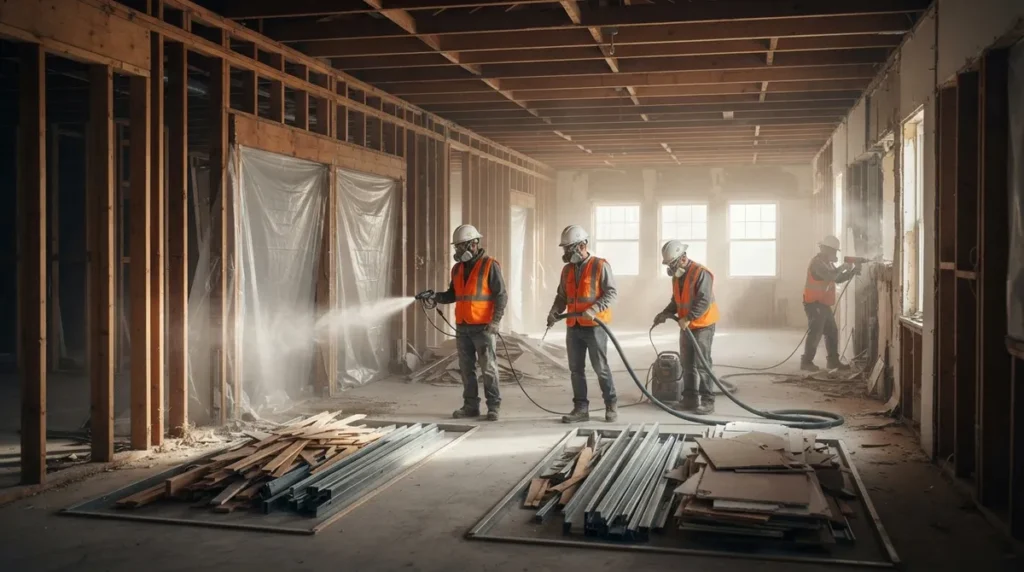
This dust isn’t just messy. It can contain materials that affect breathing and indoor air quality. That’s why professional crews use dust suppression methods, protective gear, and proper ventilation throughout the job.
9. Safety Risks Contractors Must Manage
Soft demolition might sound less intense than a full teardown, but it still carries real risks. Crews need to watch for several hazards during this type of work:
- Hidden electrical lines that haven’t been shut off
- Asbestos or lead paint in older buildings
- Sharp debris from broken tile, glass, or metal fixtures
- Dust exposure affecting respiratory health
- Unstable fixtures or ceiling materials falling during removal
This is exactly why working with a licensed, experienced team matters. Learn more about what makes a licensed demolition contractor essential for your project before hiring anyone for interior work.
10. How Contractors Prepare a Building for Soft Demolition
Preparation is everything in this process. Skilled contractors don’t just walk in and start ripping things out. Here’s a typical step-by-step approach:
- Conduct a full site walkthrough and hazard assessment
- Test for asbestos, lead, or other hazardous materials
- Shut off electrical, water, and gas utilities safely
- Set up dust barriers and negative air pressure systems if needed
- Remove fixtures, flooring, and ceilings in a planned sequence
- Sort and separate materials for recycling or disposal
- Haul away debris and clean the site thoroughly
This organized approach keeps the job safe and efficient. It also protects the structure that’s staying behind.
11. Soft Demolition Often Comes Before Bigger Projects
Many renovation projects start with a soft strip. Once the interior is cleared, contractors can assess the bare structure and plan the next phase. This might mean a full remodel, or it could lead into more serious structural work.
For property owners in Las Vegas and surrounding areas, this staged approach saves time and reduces surprises. You get a clear look at what’s underneath before committing to bigger changes. If your project later requires full structural removal, our team can guide you through full building demolition as the next step.
12. Debris Hauling Is Part of the Package
Removing materials is only half the job. Someone has to haul all that debris away too. Professional soft demolition services usually include organized hauling services to keep your site clean and ready for the next phase.
This matters a lot for property managers overseeing multiple units or commercial spaces. Fast, reliable debris removal keeps projects moving and avoids costly delays.
13. Permits and Local Regulations Matter
Even soft demolition work often requires permits, especially for commercial properties or larger renovations. Rules can vary depending on your location within Clark or Nye counties.
Before starting any project, it’s smart to check current requirements. The Las Vegas demolition permit guidelines outline what’s typically needed for demolition work within city limits. If your property falls under county jurisdiction, the Clark County Building Department can help clarify local rules and inspection requirements.
Why Choose 702 Demo for Your Soft Demolition Project
Soft demolition takes skill, patience, and a careful eye. It’s not just about tearing things out. It’s about protecting what stays while safely removing what goes. That balance is exactly what our team specializes in.
Whether you’re a homeowner planning a remodel, a renovation contractor prepping a job site, or a developer managing a bigger project, 702 Demo brings years of hands-on experience to every job. We proudly serve Clark and Nye counties, and we treat every property like it’s our own. Don’t just take our word for it, visit us on Google — 702 Demo to see what our customers have to say.
We also handle everything from concrete removal to excavating and grading, so your project stays on track from start to finish. No matter the size or scope of your job, we’ve got the tools and team to get it done right.
Ready to Get Started?
Soft demolition might sound complicated, but with the right team, it doesn’t have to be stressful. If you’re planning a renovation, fit-out, or pre-demolition project in Clark or Nye county, we’re here to help every step of the way. Contact 702 Demo for a free estimate and let’s talk about how we can make your project smooth, safe, and worry-free.
FAQs
Q: What is soft demolition in construction?
A: Soft demolition is the careful removal of a building’s non-structural parts, like drywall, flooring, and fixtures, while the main frame stays standing. It’s a common first step before renovations or bigger demolition work. Think of it as clearing out the inside so the space is ready for whatever comes next.
Q: What is the difference between soft demolition and hard demolition?
A: Soft demolition removes interior, non-structural items while leaving the frame intact. Hard demolition tears down structural parts, sometimes the entire building. If you’re just gutting an interior for a remodel, you’re looking at soft demolition, not a full teardown.
Q: Does soft demolition include electrical and plumbing removal?
A: Yes, it usually does! Soft strip crews typically remove wiring, lighting, ductwork, and plumbing fixtures as part of the job. It’s all handled safely, with utilities shut off properly before any work begins.
Q: Is soft demolition the same as selective demolition?
A: Pretty much, yes. Soft demolition, soft strip demolition, and selective demolition are terms often used to describe the same type of work. They all mean removing non-structural elements while protecting the building’s frame.
Q: What safety risks are associated with soft strip demolition?
A: Soft strip work can create a lot of dust, and there’s always a risk of hidden hazards like old wiring, asbestos, or unstable fixtures. That’s why it’s so important to hire experienced professionals who know how to manage these risks safely. Our team at 702 Demo takes every precaution to keep your property and everyone on site safe.